Puppy Feeding Schedule: How Much and How Often to Feed by Age
Your new puppy is staring at you with those irresistible eyes. Is she hungry? Did someone already feed her? How much should she eat? When’s the next meal? And why does it feel like you’re constantly either feeding your puppy or cleaning up after feeding your puppy?
Puppy feeding schedules are more complicated than adult dog feeding because puppies need multiple meals throughout the day, specific portions based on their rapidly changing weight, and consistency to support both nutrition and house training. Get the schedule wrong and you’re dealing with hungry puppies, upset stomachs, inconsistent potty training, or overweight puppies with developmental problems.
The challenge isn’t just knowing how much to feed – it’s coordinating feeding times across busy family schedules, ensuring everyone knows who fed the puppy and when, and adjusting portions as your puppy grows. Miss a feeding? Your puppy’s blood sugar drops and they become lethargic. Double-feed because nobody communicated? You’re dealing with diarrhea and a setback in potty training.
This comprehensive guide will help you create a puppy feeding schedule based on your puppy’s age and size, understand how much to feed, coordinate feeding responsibilities across your household, and adjust the schedule as your puppy matures into an adult dog.
Why Puppy Feeding Schedules Matter
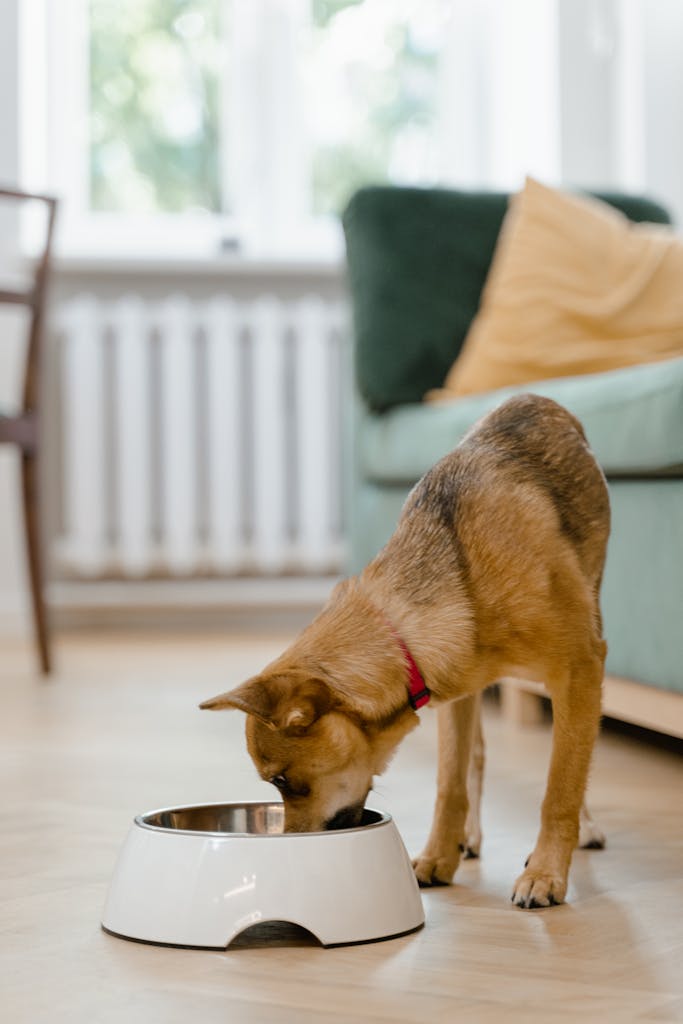
Puppies aren’t just small adult dogs – their nutritional needs and feeding patterns are completely different.
Why puppies need scheduled feedings:
Metabolic needs:
- Growing rapidly (doubling or tripling birth weight in weeks)
- High energy expenditure from constant play and learning
- Developing bones, muscles, organs, and immune system
- Cannot go long periods without food (risk of hypoglycemia)
- Small stomach capacity requires frequent small meals
Digestive development:
- Immature digestive system
- Can’t handle large meals
- Needs consistent feeding times to regulate digestion
- Frequency affects stool consistency and timing
House training connection:
- What goes in on schedule comes out on schedule
- Predictable feeding = predictable potty breaks
- Inconsistent feeding = unpredictable bathroom needs = more accidents
Behavioral benefits:
- Prevents resource guarding (knows food comes regularly)
- Reduces begging behavior
- Creates routine and security
- Teaches impulse control (waiting for food)
Health monitoring:
- Consistent feeding reveals appetite changes quickly
- Portion control prevents obesity
- Scheduled meals show if puppy isn’t eating (early illness detection)
The cost of inconsistent feeding:
- Hypoglycemia (low blood sugar) in small breed puppies – can be dangerous
- Digestive upset (vomiting, diarrhea)
- Obesity from overfeeding
- Developmental problems from malnutrition
- House training failures from unpredictable schedule
- Resource guarding from food insecurity
Puppy Feeding Schedule by Age
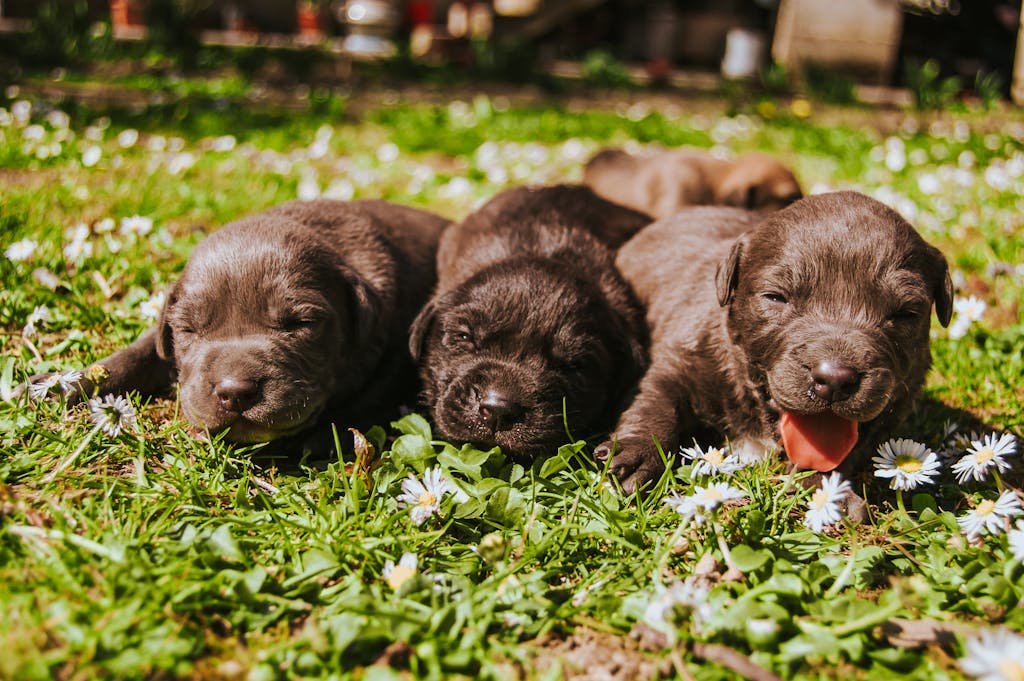
Your puppy’s age determines how often they need to eat.
6-8 Weeks Old (Just Weaned)
Feeding frequency: 4 meals per day
Sample schedule:
- 7:00 AM – Breakfast
- 11:00 AM – Lunch
- 3:00 PM – Dinner
- 7:00 PM – Final meal
Why 4 meals:
- Just transitioned from mother’s milk
- Very small stomach
- Cannot go more than 4-5 hours without food
- Highest risk of hypoglycemia
Special considerations:
- Some puppies still struggle with kibble (can soften with warm water)
- May eat slowly or need encouragement
- Smallest breeds may need 5 meals
- Monitor closely for signs of weakness or lethargy
8-12 Weeks Old (Early Puppy Stage)
Feeding frequency: 3-4 meals per day
Sample schedule (4 meals):
- 7:00 AM – Breakfast
- 11:30 AM – Lunch
- 4:00 PM – Dinner
- 8:00 PM – Final meal
Sample schedule (3 meals):
- 7:00 AM – Breakfast
- 1:00 PM – Lunch
- 7:00 PM – Dinner
Transition timing:
- Larger breeds: Can move to 3 meals by 10-12 weeks
- Medium breeds: Around 12 weeks
- Small breeds: Stay on 4 meals until 12-16 weeks
- Toy breeds: May need 4 meals until 16+ weeks
Why this schedule:
- Still growing rapidly
- Building healthy eating patterns
- Supporting potty training
- Preventing hypoglycemia
3-6 Months Old (Middle Puppy Stage)
Feeding frequency: 3 meals per day
Sample schedule:
- 7:00 AM – Breakfast
- 12:00 PM – Lunch
- 6:00 PM – Dinner
Why 3 meals:
- Stomach capacity increasing
- Can handle longer intervals
- Still growing actively
- Supports consistent potty schedule
- Maintains blood sugar levels
Important notes:
- Most puppies stay on 3 meals through this entire period
- Don’t rush to 2 meals (stunts growth, causes digestive issues)
- Keep meal times consistent (within 30 minutes of schedule)
- Portions increase as puppy grows
6-12 Months Old (Late Puppy/Adolescent Stage)
Feeding frequency: 2-3 meals per day
When to transition to 2 meals:
- Large breeds: 9-12 months
- Medium breeds: 8-10 months
- Small breeds: 8-9 months
- Toy breeds: 10-12 months (some stay on 3 meals longer)
Sample schedule (2 meals):
- 7:00 AM – Breakfast
- 6:00 PM – Dinner
Why the transition:
- Approaching adult size
- Growth rate slowing
- Stomach can handle larger meals
- Preparing for adult feeding schedule
Signs puppy is ready for 2 meals:
- Consistently leaving food at one meal
- No longer seems hungry at middle meal
- Maintains energy with less frequent feeding
- Veterinarian confirms appropriate for size/breed
12+ Months (Young Adult)
Feeding frequency: 2 meals per day
Standard adult schedule:
- Morning meal (7:00-8:00 AM)
- Evening meal (5:00-7:00 PM)
Why 2 meals is standard:
- Maintains energy throughout day
- Prevents hunger
- Reduces risk of bloat (especially large breeds)
- Easier to monitor appetite
- Most dogs thrive on this schedule
Some dogs stay on 3 meals:
- Very large breeds prone to bloat (Great Danes, etc.)
- Dogs with sensitive stomachs
- Very active working dogs
- Personal preference if schedule allows
How Much to Feed Your Puppy
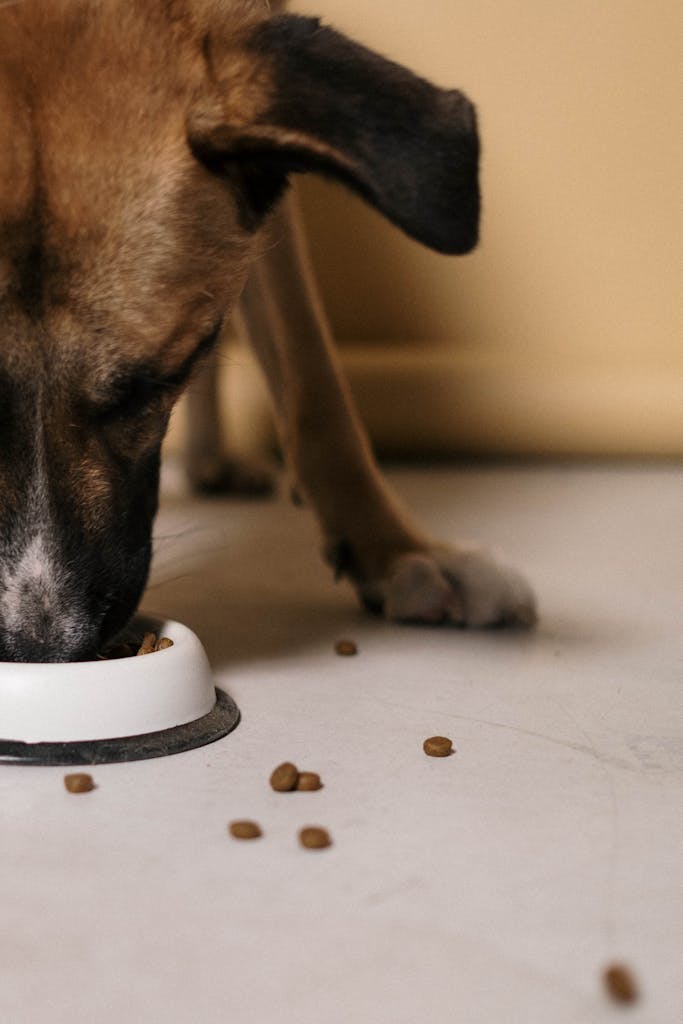
Amount matters as much as frequency.
Reading Puppy Food Labels
Every puppy food bag has feeding guidelines:
- Listed by puppy’s current weight
- Shows daily amount
- CRITICAL: Divided by number of meals per day
Example feeding chart:
| Puppy Weight | Daily Amount | 3 Meals | 4 Meals |
|---|---|---|---|
| 5 lbs | 1 cup | 1/3 cup each | 1/4 cup each |
| 10 lbs | 1.5 cups | 1/2 cup each | 3/8 cup each |
| 20 lbs | 2.5 cups | 5/6 cup each | 5/8 cup each |
| 30 lbs | 3.5 cups | 1.25 cups each | 7/8 cup each |
Important notes:
- These are GUIDELINES, not absolute rules
- Adjust based on your individual puppy
- Different food brands have different densities
- Treats count toward daily calories
Factors That Affect Portions
Activity level:
- High-energy puppies burn more calories
- Calm puppies need less
- Adjust portions if puppy gaining/losing weight
Breed size:
- Large breed puppies grow longer (need puppy food longer)
- Small breed puppies mature faster
- Giant breeds need controlled growth (prevent joint problems)
Body condition:
- Should see waist when looking from above
- Should feel ribs easily but not see them
- Visible ribs = underweight
- No waist, round belly = overweight
Food quality:
- High-quality food = more nutrition per cup = feed less
- Low-quality food = more fillers = need more volume
- Cheap food isn’t saving money if you feed more
Growth spurts:
- Puppies go through spurts (suddenly hungrier)
- May need temporary increase
- Then slow down again
- Normal part of development
Measuring Portions Accurately
Why measuring matters:
- “Eyeballing” leads to overfeeding
- Inconsistent portions affect growth
- Obesity in puppies causes lifelong problems
- Under-feeding stunts growth
How to measure:
- Use actual measuring cups (not coffee mugs or scoops)
- Level off cups (don’t heap)
- Measure at each feeding (don’t estimate)
- Account for training treats
Training treats matter:
- Can add up to significant calories
- Rule of thumb: Treats should be <10% of daily calories
- Reduce meal portions if giving lots of treats
- Use part of kibble as training rewards
Signs You’re Feeding the Right Amount
Healthy puppy indicators:
- Steady weight gain (not too fast, not too slow)
- Visible waist from above
- Can feel ribs easily
- Age-appropriate energy level
- Healthy coat
- Normal stools (firm, formed)
- Finishes meals but not frantically hungry
- Doesn’t beg constantly between meals
Signs of overfeeding:
- Rapid weight gain
- No visible waist
- Can’t feel ribs
- Loose stools or diarrhea
- Leaves food regularly (portions too large)
- Lethargic after meals
Signs of underfeeding:
- Ribs very visible
- Prominent hip bones
- Constantly hungry
- Low energy
- Eats frantically
- Scavenges constantly
- Slow growth compared to breed standards
Creating Your Puppy Feeding Routine

Pre-Meal Routine
15 minutes before feeding:
- Give potty break
- Prevents accidents from excitement
- Starts establishing potty schedule connection
During meal prep:
- Have puppy sit and wait (builds impulse control)
- Prepare food out of reach
- Make puppy wait calmly before releasing to eat
- Teaches patience and manners
Feeding time:
- Place bowl down
- Release with command (“okay” or “eat”)
- Leave puppy alone to eat (prevents resource guarding)
- Set timer for 15-20 minutes
During Meals
How long to leave food down:
- 15-20 minutes maximum
- Pick up bowl whether finished or not
- Teaches puppy to eat when food is offered
- Prevents grazing behavior
What if puppy doesn’t eat:
- Don’t panic (missing one meal usually fine)
- Don’t add toppers or make food “special”
- Pick up after 20 minutes
- Offer again at next scheduled meal
- If misses 2+ meals, call vet
What if puppy eats too fast:
- Slow-feeder bowl
- Spread food on flat surface
- Puzzle feeders
- Hand-feed small amounts
- Multiple small portions throughout meal time
Supervise meals in multi-dog households:
- Separate feeding areas
- Prevents food stealing
- Reduces resource guarding
- Ensures each dog eats their portion
Post-Meal Routine
Immediately after eating:
- Wait 5-10 minutes (prevents vomiting from activity)
- Then potty break (digestion stimulates elimination)
- Expect poop within 15-30 minutes of eating
Activity restrictions:
- No vigorous play for 30-60 minutes after meals
- Especially important for large breeds (bloat risk)
- Calm activities only
- Then back to normal
Bowl cleanup:
- Wash food bowl daily
- Prevents bacteria growth
- Fresh water always available
- Clean water bowl daily
Family Coordination for Puppy Feeding
This is where puppy feeding schedules break down: coordination failures between family members.
Common feeding coordination problems:
Problem #1: “Did someone already feed the puppy?”
- Morning chaos, everyone rushing
- Mom fed puppy at 7 AM
- Dad doesn’t know, feeds again at 7:30 AM
- Puppy gets double breakfast
- Result: Vomiting, diarrhea, potty training setback
Problem #2: “I thought you were feeding lunch”
- Mom at work, assumes Dad (working from home) is feeding
- Dad assumes Mom is feeding on her lunch break
- Nobody feeds
- Puppy misses meal
- Blood sugar drops, puppy lethargic
Problem #3: Different family members feed different amounts
- Mom measures carefully (1/2 cup)
- Dad eyeballs it (closer to 3/4 cup)
- Kids heap the cup (nearly 1 cup)
- Inconsistent portions = digestive upset and weight issues
Problem #4: Treats not accounted for
- Grandma gives treats all day
- Kids sneak puppy table scraps
- Training treats during day
- Plus full meals = overfeeding
- Puppy gains too much weight
Problem #5: Schedule changes without communication
- Family usually feeds at 7 AM, 1 PM, 7 PM
- One day someone feeds at 8 AM (slept in)
- Rest of schedule shifts
- Throws off potty training timing
- Accidents happen
The solution: Tracking and communication
Successful puppy feeding requires everyone knowing:
- What time was the last meal?
- How much was fed?
- Who fed puppy?
- When is next meal scheduled?
- Who’s responsible for it?
Why tracking is critical for puppies:
- Multiple daily feedings = more opportunities for confusion
- Missing even one meal affects young puppies significantly
- Double-feeding causes immediate problems
- Portions must be consistent for healthy growth
- Potty training depends on feeding schedule consistency
Traditional tracking methods fail:
- Whiteboard: Only one person sees it, doesn’t travel with family
- Group text: Gets buried, no historical record, no reminders
- Memory: Completely unreliable with multiple daily feedings
Many families raising puppies use coordination apps like PetMaid:
- Set feeding time reminders (7 AM, 1 PM, 7 PM, etc.)
- Mark feeding complete when done
- Note how much was fed
- All family members see last feeding time
- Prevents double-feeding
- Prevents missed meals
- Assigns responsibility for each meal
- Tracks as puppy grows and schedule changes
When everyone knows “puppy was fed at 7:00 AM, 1/2 cup” coordination becomes automatic instead of stressful.

Transitioning Between Feeding Schedules
When to change from 4 to 3 meals:
Signs puppy is ready:
- Consistently leaving food at one meal (usually lunch)
- Appropriate age (8-12 weeks depending on size)
- Maintaining energy with less frequent feeding
- Healthy weight gain
How to transition:
- Don’t just skip meal suddenly
- Gradually reduce smallest meal over 1-2 weeks
- Increase other meal portions proportionally
- Monitor for hunger, energy changes, digestive upset
Example transition (4 to 3 meals):
Week 1:
- 7 AM: 1/3 cup
- 11 AM: Reduce from 1/3 to 1/4 cup
- 3 PM: 1/3 cup
- 7 PM: Increase from 1/3 to slightly over 1/3 cup
Week 2:
- 7 AM: Increase to 1/2 cup
- 11 AM: Eliminate this meal
- 3 PM: Increase to 1/2 cup
- 7 PM: Maintain portion
When to change from 3 to 2 meals:
Timing:
- Small/toy breeds: 8-10 months
- Medium breeds: 8-10 months
- Large breeds: 10-12 months
- Giant breeds: 12+ months (some stay on 3)
How to transition:
- Gradually reduce lunch meal
- Increase breakfast and dinner proportionally
- Take 2-3 weeks for full transition
- Monitor appetite and energy
Don’t rush transitions:
- Puppies need frequent meals longer than you think
- Growth requires consistent nutrition
- Too-early transition can cause problems
- When in doubt, wait another month
Special Feeding Situations
Small and Toy Breed Puppies
Extra considerations:
- Higher risk of hypoglycemia (low blood sugar)
- May need 4-5 meals daily longer (until 4-6 months)
- Cannot go as long between meals
- May need calorie-dense food
Signs of hypoglycemia:
- Weakness or lethargy
- Trembling or shaking
- Disorientation or confusion
- Seizures (severe cases)
Emergency response:
- Rub honey or corn syrup on gums
- Feed immediately
- Call vet if doesn’t improve quickly
Prevention:
- Never skip meals
- Keep to strict schedule
- Have backup feeder
- Always have emergency glucose source
Large and Giant Breed Puppies
Special feeding needs:
- Slower, controlled growth (prevents joint problems)
- Large breed puppy food (lower calcium/phosphorus)
- More gradual transitions
- Stay on 3 meals longer
What to avoid:
- Rapid growth (causes hip dysplasia, other issues)
- Overfeeding
- High-calcium diets
- Free-feeding
Bloat prevention:
- Elevated bowls may increase risk (controversial)
- No vigorous exercise around meals
- Consider 3 meals lifelong
- Slow eating pace
Puppies with Sensitive Stomachs
Feeding strategies:
- Stick to one food (don’t rotate)
- Absolutely consistent schedule
- Measure precisely
- Limit treats
- Slow, gradual food transitions (2-3 weeks)
- Small, frequent meals may help
When to call vet:
- Persistent vomiting or diarrhea
- Blood in stool
- Refuses multiple meals
- Lethargy or pain
- Rapid weight loss
Choosing Puppy Food
What to look for:
- AAFCO statement for growth
- “Puppy” or “All Life Stages” label
- Appropriate for breed size
- High-quality protein sources
- No fillers or by-products (if possible)
- Fits your budget (consistency matters more than premium brands)
Food types:
Dry kibble:
- Most common
- Convenient
- Cost-effective
- Good for dental health
- Easy to measure
Wet food:
- More palatable
- Higher moisture
- More expensive
- Harder to measure precisely
- Can contribute to dental issues
Combination:
- Wet as topper on kibble
- Best of both worlds
- Watch total calories
Raw, homemade, or specialty diets:
- Consult veterinarian or veterinary nutritionist
- Risk of nutritional imbalances
- Expensive and time-consuming
- Not recommended for most puppy owners
Troubleshooting Feeding Problems
Puppy Won’t Eat
Possible causes:
- Not hungry (may be fine)
- Food quality issue
- Illness
- Stress
- Too many treats
- Teething pain
What to do:
- Don’t panic if misses one meal
- Pick up food after 20 minutes
- Don’t add toppers or coax
- Call vet if misses 2+ meals or shows other symptoms
Puppy Begs Constantly
Causes:
- Learned behavior (gets rewarded)
- Actually hungry (portions too small)
- Bored
- Attention-seeking
Solutions:
- Never feed from table
- Consistent family rules
- Ensure portions adequate
- Provide chew toys during family meals
- Consider slow-feeder to make meals last longer
Puppy Steals Food
Why it happens:
- Opportunistic behavior (normal)
- Hungry
- Boredom
- Lack of training
Management:
- Supervise around food
- Train “leave it” command
- Management (don’t leave food accessible)
- Ensure getting enough at meals
Diarrhea or Vomiting
Common causes:
- Overeating
- Eating too fast
- Food change
- Illness
- Parasites
- Stress
When to call vet:
- Multiple episodes
- Blood present
- Lethargy or pain
- Refuses food and water
- Doesn’t improve within 24 hours
Feeding Schedule Success Timeline
Week 1-2:
- Establishing routine
- Learning puppy’s eating patterns
- Family coordination developing
- Some confusion normal
Week 3-4:
- Routine becoming automatic
- Potty training improving (thanks to consistent feeding)
- Family knows who’s responsible when
- Fewer coordination problems
Month 2:
- Schedule is habit
- Puppy thriving on routine
- Weight gain appropriate
- Digestive system stable
Month 3+:
- Adjusting portions as puppy grows
- Possibly transitioning feeding frequency
- Smooth coordination
- Healthy puppy development
Final Thoughts: Consistency Creates Healthy Puppies

Puppy feeding schedules aren’t complicated – but they require consistency. Consistent timing. Consistent portions. Consistent coordination across everyone who helps with puppy care.
The puppies who thrive aren’t necessarily the ones with the most expensive food or the most involved owners. They’re the ones with reliable routines. They eat at the same times daily. They get the right portions. Nobody forgets to feed them. Nobody accidentally double-feeds them.
That kind of consistency requires systems – not just good intentions.
Whether it’s a detailed schedule on your fridge, alarms on everyone’s phones, or a coordination app that keeps your family on the same page, having a system removes the mental load and prevents the mistakes.
Your puppy is growing rapidly. Every meal matters. Every day of consistent nutrition contributes to healthy development.
Set your schedule. Assign responsibilities. Track what’s done. Keep everyone coordinated.
Your puppy will grow into a healthy, well-adjusted adult dog. And you’ll have the peace of mind knowing their nutritional needs are handled.
Managing your puppy’s feeding schedule is simple when your whole family stays coordinated. Download PetMaid to set feeding reminders for each meal time, mark feedings complete when done, note how much was fed, and ensure everyone knows who fed the puppy and when. No more “Did someone feed her?” confusion. No more missed meals or double-feedings. Keep your puppy healthy with consistent nutrition coordination across your whole family.
For more puppy care and coordination tips, check out our guides on Puppy Potty Training Schedule, Puppy Whining in Crate, New Pet Parent Mistakes, and Dog Walking Schedules.
What’s your biggest challenge with your puppy’s feeding schedule? Share in the comments!