

Dog Walking Schedule for Families: How to Keep Everyone Coordinated
“I thought you walked him this morning!”
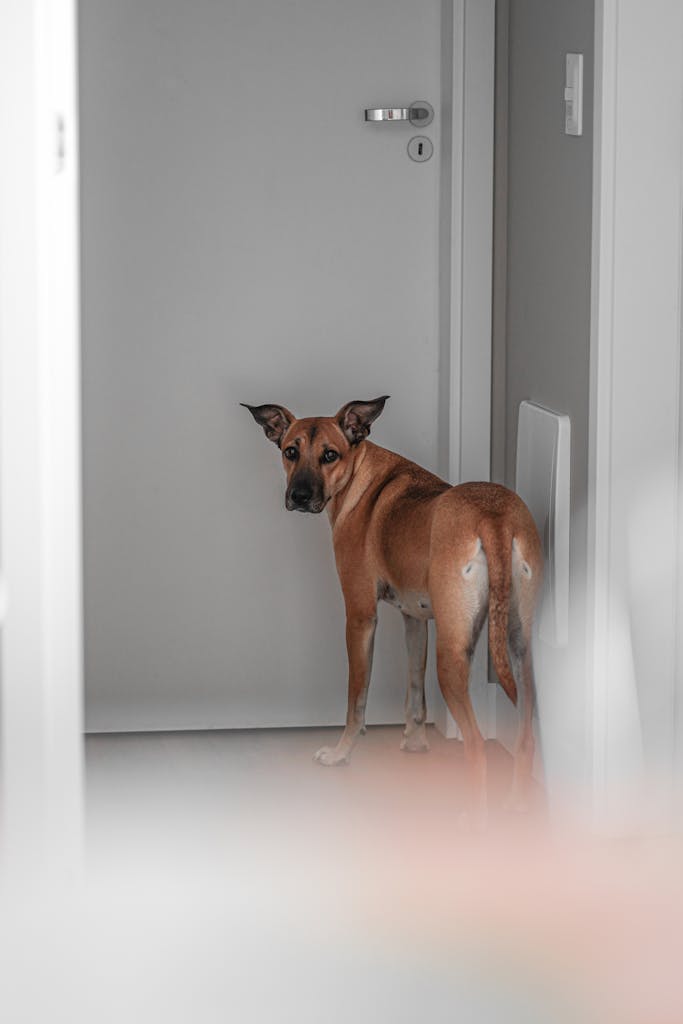
Sound Familiar? If you’ve ever had this conversation with a family member while your dog gives you those guilty “I really need to go out” eyes, you’re not alone. Creating a dog walking schedule that actually works for busy families is one of the most challenging aspects of pet ownership.
Unlike feeding, which leave obvious evidence (empty bowl), walks leave no trace. Without a clear system, dogs either miss walks entirely or get walked multiple times by well-meaning family members who didn’t realize someone else already took care of it. Both scenarios can lead to problems – from destructive behavior and accidents in the house to exhausted, over-exercised pets.
This comprehensive guide will help you create a dog walking schedule schedule that fits your family’s lifestyle, keeps your dog healthy and happy, and eliminates the daily “did you walk the dog” conversations.
Why Your Dog Needs a Consistent Walking Schedule
Before diving into logistics, let’s understand why a dog walking schedule matters so much.
Physical Health Benefits:
- Maintains healthy weight and muscle tone
- Supports joint health and mobility
- Aids digestion and bathroom regularity
- Provides cardiovascular exercise
- Prevents obesity-related health issues
Mental Health Benefits:
- Reduces anxiety and destructive behavior
- Provides mental stimulation through new sights and smells
- Helps with socialization skills
- Prevents boredom that leads to problem behaviors
- Creates predictable routine that dogs find comforting
The consistency factor: Dogs thrive on routine. When walks happen at roughly the same times each day, your dog’s body adjusts. They know when to expect bathroom breaks, when exercise is coming, and what the daily rhythm looks like. This predictability reduces stress and behavioral problems.
How Much Walking Does Your Dog Actually Need?

Not all dogs have the same exercise requirements. Your dog walking schedule should be tailored to your specific dog’s needs.
By Age:
Puppies (8 weeks – 6 months):
- Short, frequent walks (5-10 minutes, 3-4 times daily)
- Focus on socialization and training, not distance
- Avoid over-exercising growing joints
- More bathroom breaks than exercise walks initially
Adult Dogs (1-7 years):
- 30-60 minutes of walking daily, split into 2-3 walks
- Can handle longer distances and more intense exercise
- Energy level varies significantly by breed
- Most active period requiring consistent exercise
By Breed and Energy Level
High Energy Breeds (Border Collies, Australian Shepherds, Huskies, Labs)
- 60-120 minutes of exercise daily
- Multiple walks plus additional play or training
- Mental stimulation as important as physical exercise
Moderate-Energy Breeds (Beagles, Bulldogs, Cocker Spaniels)
- 30-60 minutes of walking daily
- 2 walks per day typically sufficient
- Balance exercise with rest
Low-Energy Breeds (Basset Hounds, Pugs, Shih Tzus)
- 20-40 minutes of gentle walking daily
- 1-2 shorter walks usually adequate
- Avoid over-exercise, especially in heat
Special Considerations:
- Brachycephalic breeds (flat-faced dogs) need shorter, cooler walks
- Working breeds need both physical and mental stimulation
- Small dogs may need more frequent shorter walks
- Health conditions may require adjusted schedules
Creating Your Family Dog Walking Schedule
Now that you understand your dog’s needs, let’s build a schedule that works for your household.
Step 1: Assess Your Family’s Availability
Morning Schedules:
- Who’s up earliest?
- Who has flexible morning time?
- What time does everyone need to leave?
Midday Options:
- Does anyone work from home?
- Can teenagers come home during lunch?
- Do you need a dog walker for midday breaks?
Evening Routine:
- Who arrives home first?
- What’s the typical dinner/homework schedule?
- When’s the best time for longer evening walks?
Weekend Considerations:
- Different schedule than weekdays?
- Opportunity for longer adventure walks?
- Family walk time together?
Step 2: Match Dog Needs to Family Availability
Sample Dog Walking Schedule for Working Families:
Morning (6:30-7:00 AM):
- Quick 10-15 minute potty break
- Assigned to: Early riser parent
Midday (12:00-12:30 PM):
- 20-30 minute walk
- Assigned to: Work-from-home parent, dog walker, or responsible teen
After School (3:30-4:00 PM):
- 15-20 minute walk
- Assigned to: Teens or returning parent
Evening (6:30-7:00 PM):
- 30-45 minute main exercise walk
- Assigned to: Rotating family members or family walk together
Before Bed (9:30-10:00 PM):
- Quick 10-15 minute final potty break
- Assigned to: Last person up
Step 3: Assign Clear Responsibilities
This is where most family dog walking schedules break down. Everyone assumes someone else is handling it, or the same person gets stuck with all the walks.
Assignment Strategies:
Rotation System:
- Each family member gets assigned days
- Clear schedule posted where everyone can see it
- Backup person assigned for each slot
Task-Based System:
- Specific people own specific walks
- Morning person always does morning walk
- After-school walk always belongs to kids
- Even walk rotates
Flexibility System:
- First person available marks it complete
- Family can see in real-time who did what
- Works well for families with unpredictable schedules
The key to success: Whatever system you choose, it must be visible to everyone and easy to track completion. This is where many families find that digital solutions like PetMaid work better than paper charts – everyone can check their phone to see if the dog has been walked, mark walks complete in real-time, and get reminders when it’s their turn.
Common Dog Walking Schedule Problems (And Solutions)
Problem #1: “I forgot It Was My Turn”
Solutions:
- Set phone alarms for assigned walk times
- Use app notifications to remind walkers
- Create morning/evening routine checklist
- Link walk time to another daily habit (after coffee, before dinner)
Problem #2: “Someone Already Walked the Dog”
This happens more often than you’d think, especially in busy households.
Solutions:
- Require marking completion immediately after walks
- Use visible tracking system everyone checks
- Establish communication protocol for schedule changes
- Consider family group chat for real-time updates
Problem #3: “The Schedule Doesn’t Work for Our Real Life”
Solutions:
- Revisit and adjust schedule monthly
- Build in flexibility for irregular schedules
- Have backup plans for schedule disruptions
- Consider professional dog walk for gap times
Problem #4: “Kids Aren’t Following Through”
Solutions:
- Make walks screen-time dependent
- Set up accountability system with consequences
- Pair younger kids with older siblings
- Start with shorter walks to build habit
- Celebrate consistency with rewards
Weather, Seasons, and Schedule Adjustments
Your dog walking schedule will need modifications based on conditions.
Hot Weather Adjustments:
- Walk early morning and late evening only
- Avoid midday walks in summer heat
- Check pavement temperature (if too hot for bare feet, too hot for paws)
- Bring water on all walks
- Consider indoor play alternatives
Cold Weather Adjustments:
- Shorter, more frequent walks in extreme cold
- Protective gear for small or short-haired dogs
- Watch for ice and salt on paws
- Adjust timing to warmest parts of day
Rainy Day Solutions:
- Invest in dog raincoats and your own rain gear
- Shorter walks in inclement weather
- Indoor exercise alternatives (stairs, hallway fetch, training games)
- Have towels ready at door for cleanup.
Technology and Tools for Dog Walking Schedules

Coordination Apps:
Apps like PetMaid are specifically designed for families managing pet care together. Features that help with dog walking schedules include:
- Shared calendar visible to all family members
- Instant notifications when walks are completed
- Ability to mark who completed each walk
- Tracking patterns to ensure dogs get consistent exercise
- Reminders for assigned family members
Other Helpful Tools:
- Shared family calendars (Google Calendar, Apple Calendar)
- Fitness trackers for dogs (monitor actual exercise levels)
- Weather apps to plan around conditions
- Dog walking apps with route tracking
- Group Messaging for family communication
Building Long-Term Success
Week 1-2: Establishment Phase
- Post schedule prominently
- Over-communicate about the system
- Check in daily about completion
- Adjust timing as needed
- Celebrate successful days
Week 3-4: Habit Formation
- Routine becomes more natural
- Reduce reminders gradually
- Address problems proactively
- Acknowledge family members following through
Month 2+: Maintenance and Refinement
- Schedule becomes second nature
- Make seasonal adjustments
- Update as family schedules change
- Continue tracking to maintain accountability
The Benefits of a Well-Executed Dog Walking Schedule
When families successfully implement and maintain a dog walking schedule, everyone benefits:
For Your Dog:
- Predictable bathroom breaks (fewer accidents)
- Consistent exercise (better behavior)
- Reduced anxiety
- Improved physical health
- Stronger bonds with all family members
For Your Family:
- Less stress and conflict
- No more “I thought you did it” arguments
- Shared responsibility
- Teaching kids accountability
- More quality time with your dog
The coordination factor: The difference between families who struggle with walking consistency and those who succeed isn’t love for their dog or good intentions – it’s having clear systems and reliable communication. When everyone knows the plan, can see what’s been completed, and gets appropriate reminders, walking becomes a seamless part of the daily routine rather than a source of stress.

Special Situations and Considerations
Multi-Dog Households
- Stagger walks if dogs have different energy levels
- Group walks when possible for socialization
- Assign dogs to specific family members
- Consider separate schedules for different dog needs
Single Parents
- Build routine around your schedule specifically
- Consider dog walker for midday if needed
- Involve kids more heavily in schedule
- Plan for sick days and emergencies
Elderly or Special Needs Dogs
- More frequent, shorter walks
- Gentler pace and terrain
- More bathroom breaks
- Monitor closely for fatigue or pain
Reactive or Training Dogs
- Quieter walk times to avoid triggers
- Shorter, more controlled walks initially
- Assign to experienced family members
- Consider professional help alongside schedule
When to Hire Professional Help
Sometimes family schedules just can’t accommodate a dog’s needs. Professional dog walkers can fill gaps in your dog walking schedule.
Consider professional help when:
- No one is home for 8+ hours during workdays
- Dog needs midday exercise but no one is available
- High-energy breed requires more walks than family can provide
- Elderly or injured family members can’t walk dog safely
- Temporary situations (new baby, medical recovery, intense work period)
Creating Your Personal Dog Walking Schedule Action Plan
Ready to implement your own system? Here’s your step-by-step action plan.
This Week:
- Determine your dog’s exercise needs (age, breed, energy level)
- Assess all family members’ schedules and availability
- Draft a proposed walking schedule
- Hold family meeting to discuss and agree on plan
Next Week:
- Post schedule in visible location
- Set up tracking system (app, chart, or calendar)
- Assign backup walkers for each time slot
- Begin implementation with daily check-ins
Ongoing:
- Track completion for at least 2 weeks
- Identify and solve problems as they arise
- Adjust schedule based on what’s working
- Maintain accountability system long-term
Final Thoughts: Consistency is Key
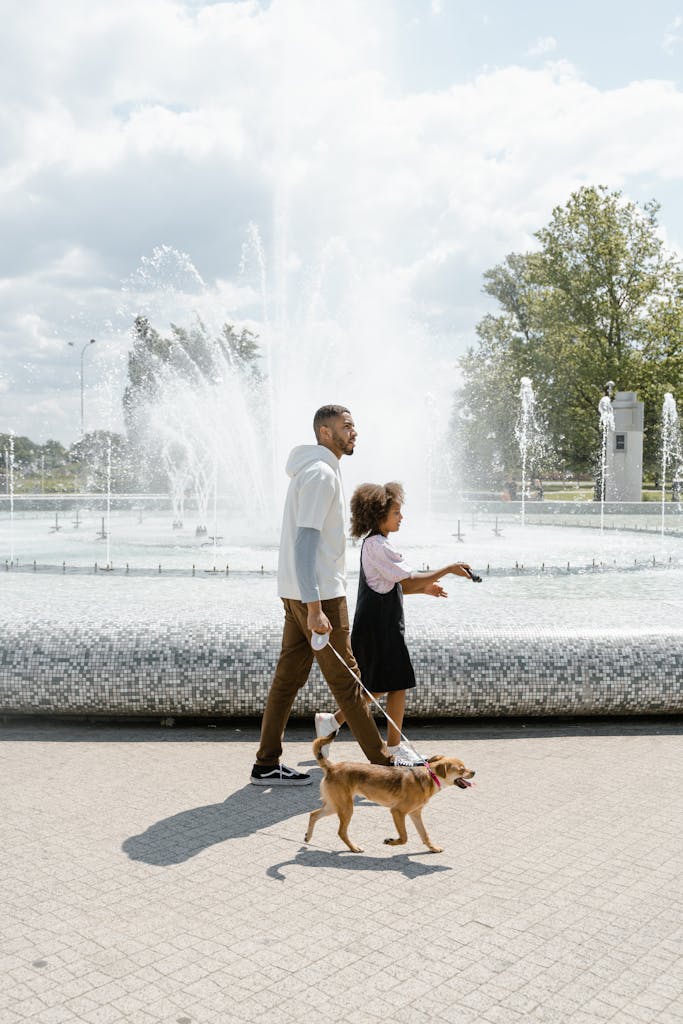
A dog walking schedule for families isn’t about being rigid or perfect – it’s about creating consistent expectations that work for both your dog and your household. The best schedule is one that actually gets followed, not the theoretically perfect plan that’s too complicated to maintain.
Start with a realistic schedule, use tools that make coordination easier, and be willing to adjust as you learn what works best for your specific situation. Whether you use a simple chart on the fridge, a shared family calendar, or a dedicated pet care app like PetMaid, the important thing is having a system that keeps everyone informed and accountable.
Your dog depends on you for their daily exercise and bathroom needs. With a clear schedule and good family coordination, you can ensure they get the consistent care they need while distributing the responsibility fairly among family members. The result? A happier, healthier dog and a more harmonious household.
Looking for more family pet coordination tips? Check out our guide 6 New Pet Parent Mistakes That Every Family Makes and our Complete New Pet Parent Checklist for setting up successful routines from day one.
What’s your biggest challenge with your family’s dog walking schedule? Share in the comments – we’d love to help troubleshoot!





One Comment