Multi Pet Household Organization: Managing Multiple Pets Successfully
You love your pets. All three of them. Or four. Or five. But somewhere between feeding schedules, medication routines, vet appointments, and exercise needs, you’ve realized that managing a multi pet household is exponentially more complicated than caring for just one animal.
Did Muffin get her thyroid medication this morning, or was that Patches? Which dog still needs their evening walk? When was the last time someone cleaned the litter boxes? And wait – didn’t Buddy have a vet appointment this week, or is that next week?
If you’ve ever stood in front of your pets, trying to remember which one needs what and when, you’re experiencing the unique challenges of multi pet household management. The love multiplies, but so does the complexity. The good news? With the right organization systems, you can keep all your furry family members happy and healthy without losing your sanity.
This comprehensive guide will help you create sustainable routines, prevent dangerous mix-ups, and streamline the chaos that often comes with multiple pet ownership.

Why Multi Pet Household Organization Matters
When you have one pet, you can often manage by memory. Add a second or third pet, and suddenly everything becomes exponentially more complex.
The Mathematics of Multi Pet Complexity:
One Pet:
- One feeding schedule
- One medication routine (if needed)
- One exercise plan
- One vet to track
- One set of supplies
Two Pets:
- Two different feeding schedules (different amounts, different food, different times)
- Two different medication routines (if needed)
- Two different exercise needs
- Two vet schedules to coordinate
- Double the supplies
- Four possible confusion scenarios (“Did I feed A? Did I feed B? Did someone else feed A or B?”)
Three or More Pets:
- Complexity increases exponentially with each additional pet
- Dozens of possible confusion scenarios
- Multiple species with completely different needs
- Significantly higher stakes for mix-ups
The Real Consequences:
Health Risks:
- Wrong pet gets wrong medication (potentially toxic)
- Pet misses critical medications
- Overfeeding or underfeeding goes unnoticed
- Medical conditions worsen due to inconsistent care
- Emergency vet visits from preventable mistakes
Financial Impact:
- Duplicate purchases (buying food/supplies you already have)
- Wasted medication from mix-ups
- Emergency vet bills from medication errors
- Higher costs from disorganization and poor planning
Stress and Conflict:
- Family arguments about who did what
- Constant worry about forgotten care tasks
- Decision fatigue from managing complexity
- Guilt when pets don’t get equal attention
Common Multi Pet Household Challenges
Understanding the specific problems helps you design better solutions.

Challenge #1: The Identity Mix-Up
The Problem:
With multiple similar pets, it’s easy to lose track of who got what care.
Common Scenarios:
- “Which cat got the medication? They both look fed…”
- “Did we take the brown dog out or the black dog?”
- “I gave medication to someone but can’t remember which pet”
- Two similar-looking pets, one has health needs, one doesn’t
Why it Happens:
- Morning rush and distraction
- Multiple family members providing care
- Similar-looking pets (especially common with cats)
- Relying on memory instead of tracking
Dangerous mix-ups:
- Cat with kidney disease gets healthy cat’s food
- Diabetic dog gets non-diabetic dog’s meal
- Pet with seizures misses medication because you gave it to the wrong pet
- Allergic pet gets food intended for the other pet
Challenge #2: The Feeding Frenzy
The Problem:
Different pets need different food, different amounts, at different times.
Multi Pet Feeding Complexity:
Different Dietary Needs:
- Puppy food vs. adult food vs. senior food
- Prescription diets for medical conditions
- Allergies requiring specific ingredients
- Weight management needs
Different Feeding Schedules:
- Puppies need 3-4 meals daily
- Adult dogs need 2 meals daily
- Cats may free-feed or need scheduled meals
- Some pets need medication with food, others on empty stomach
Different Portion Sizes:
- 10 pound cat vs. 70 pound dog
- Growing puppies need increasing amounts
- Weight loss plans require precise portions
- Easy to mix up similar looking pets’ portions
Resource Guarding and Food Theft:
- Dominant pet eats submissive pet’s food
- Fast eaters steal from slow eaters
- Special diet pet raids other pets’ food
- Monitoring becomes nearly impossible with multiple pets
Challenge #3: Medication Management Nightmares
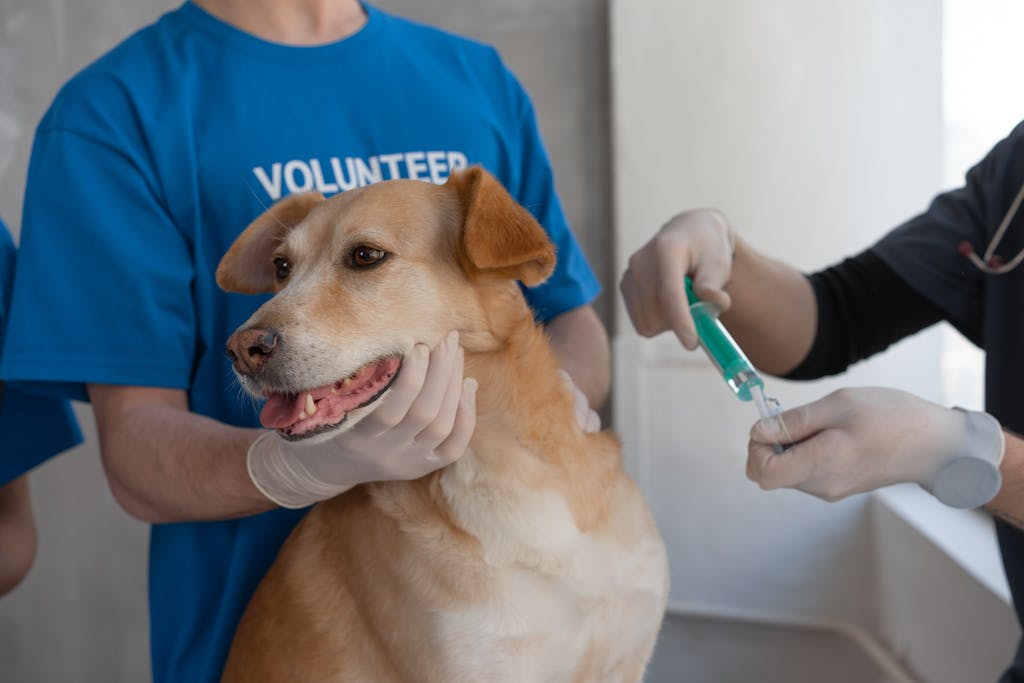
If managing medication for one pet is challenging, managing multiple pets’ medications is a recipe for disaster without proper systems.
Multi Pet Medication Risks:
Wrong Pet Gets Medication:
This is the most dangerous scenario. Pet A’s heart medication could be toxic to Pet B. Pet B’s insulin is useless or harmful to Pet A.
Forgetting Which Pet Received Medication:
“I gave someone their thyroid medication this morning, but was it Max or Maggie?” You can’t give it again (risk of overdose) but not giving it risks health consequences.
Missing Medication Entirely:
With multiple schedules to track, it’s easy for one pet’s medication to slip through the cracks entirely.
Running Out at Different Times:
Pet A’s prescription needs refilling, but Pet B’s doesn’t. Remembering which medications need attention becomes overwhelming.
Different Administration Requirements:
- Pet A takes pills with food
- Pet B takes pills on empty stomach
- Pet C gets liquid medication
- Pet D receives insulin injections
- All at different times throughout the day
Challenge #4: Exercise and Enrichment Inequality
The Problem:
Different pets have vastly different exercise needs, and the high-maintenance pet often gets priority while others get neglected.
Typical Scenarios:
Energy Level Differences:
- High-energy Border Collie needs 90 minutes of exercise daily
- Senior Basset Hound needs 20 minutes of gentle walking
- Result: Either over-exercise senior or under-exercise young dog
Species Differences:
- Dogs need outdoor walks
- Cats need indoor play and enrichment
- Result: Dog gets attention, cats get neglected
Individual Attention:
- Each pet needs one-on-one time with humans
- Multi pet households often do group activities only
- Some pets don’t get adequate individual bonding
Behavioral Problems From Inequity:
- Neglected pet develops anxiety or destructive behavior
- Under-exercised pet becomes hyperactive or aggressive
- Pets compete for attention in unhealthy ways
Challenge #5: Veterinary Care Coordination
The Problem:
Multiple pets mean multiple vet schedules, multiple appointments, multiple vaccination schedules, and exponentially more to remember.
Vaccination Schedules:
- Each pet has different vaccination due dates
- Puppies/kittens need multiple boosters
- Adult pets need annual or tri-annual shots
- Easy to miss appointments in the chaos
Preventative Medications
- Heartworm prevention monthly (but different dates for each pet)
- Flea/tick prevention monthly (again, different dates)
- Deworming schedules
- Dental cleaning schedules
Chronic Condition Management:
- Pet A needs quarterly bloodwork for kidney disease
- Pet B needs monthly weight checks for diabetes management
- Pet C needs twice-yearly senior wellness exams
- Coordinating and remembering all of this is overwhelming
Emergency Preparedness:
- Which pet takes which medication?
- What are each pet’s known allergies?
- Who is each pet’s primary vet?
- Where are medical records for each pet?
Challenge #6: Supply Management and Organization

The Problem:
Multiple pets mean multiple everything, and keeping track of what you have, what you need, and what belongs to whom becomes a logistical challenge.
Multi Pet Supply Complications:
Food Storage:
- Multiple types of food for different pets
- Prescription diets that can’t be shared
- Wet food vs. dry food storage
- Preventing food theft between pets
- Knowing when each type needs restocking
Medication Storage:
- Keeping medications separate to prevent mix-ups.
- Different storage requirements (refrigerated vs. room temperature)
- Tracking which pet takes which medication
- Managing refill schedules for multiple prescriptions
Equipment and Accessories:
- Multiple leashes, collars, harnesses
- Different sized beds and crates
- Species-specific items (litter boxes, scratching posts)
- Toys appropriate for each pet
- Grooming supplies for different coat types
Cleaning Supplies:
- More litter boxes for multiple cats
- More waste bags for multiple dogs
- More cleaning products for more accidents
- More frequent restocking needs
Creating Systems That Work for Multi Pet Households
The key to successfully managing multiple pets isn’t working harder – it’s working smarter with better systems.
System #1: Individual Pet Profiles
Create a comprehensive profile for each pet containing all critical information.
Each Pet Profile Should Include:
Basic Information:
- Name, age, breed, weight
- Microchip number
- Distinctive markings or features
- Photo (helpful for pet sitters)
Medical Information:
- Primary veterinarian contact
- Emergency vet contact
- Known allergies
- Chronic conditions
- Current medications (name, dosage, frequency)
- Vaccination schedule
- Recent medical history
Care Instructions:
- Feeding schedule and amount
- Exercise needs and routine
- Behavioral notes
- Special requirements
- Emergency protocols
Keep Profiles:
- Digitally (accessible to all caregivers)
- Printed near pet supply area
- Shared with pet sitters
- Updated regularly

System #2: Color-Coding Strategy
Visual organization helps prevent mix-ups in busy multi pet households.
Color-Coding Applications:
Food and Water Bowls:
- Assign each pet a color
- Use colored bowls or colored tape on stainless steel
- Instantly know which bowl belongs to which pet
- Prevents feeding wrong pet wrong food
Medication Storage:
- Colored labels on medication bottles
- Colored pill organizers per pet
- Colored stickers on storage containers
- Reduces dangerous medication mix-ups
Leashes and collars:
- Each pet gets their color for walking equipment
- Quick grab-and-go identification
- Helpful for pet sitters or family members
Litter Boxes and Beds:
- Color-coordinated for each cat
- Helps track which cat is using which box
- Useful for monitoring health issues
System #3: Physical Separation Strategies
Feeding Stations:
- Separate areas for each pet during meals
- Prevents food theft and resource guarding
- Allows monitoring of individual consumption
- Accommodates different dietary needs
Options for Feeding Separation:
- Different rooms with closed doors
- Crate feedings for dogs
- Elevated surfaces for cats
- Timed sequential feeding (one pet at a time)
Medication Administration Areas:
- Designated space for giving medications
- Minimizes confusion about who go what
- Reduces stress for pets with negative medication associations
- Creates routine and predictability
System #4: Scheduling and Time Management
Master Schedule Approach
Create a visual schedule showing all pets’ needs throughout the day.
Sample Multi Pet Daily Schedule
6:00 AM – Morning Routine:
- Dog A: Medication with breakfast, 20 minute walk
- Dog B: Breakfast only, walk at 7 AM
- Cat A: Breakfast, thyroid medication
- Cat B: Breakfast only
12:00 PM – Midday Care
- Dog A: Quick potty break
- Dog B: Dinner with medication, evening walk
- Cats: Check litter boxes, midday play session
6:00 PM – Evening Routine
- Dog A: Dinner, Evening Walk
- Dog B: Dinner with medication, evening walk
- Cat A: Dinner with medication
- Cat B: Dinner, play session
9:00 PM – Before Bed
- Dog A: Evening medication, final potty break
- Dog B: Final potty break
- Cats: Litter box check, quiet time
Staggering Activities:
- Not everything has to happen simultaneously
- Stagger walks so each dog gets individual attention
- Separate play sessions for cats
- Build in buffer time between activities
System #5: Tracking and Accountability
This is where multi pet households either succeed or fail. You need reliable systems to track what’s been done for each pet.
Traditional Tracking Challenges:
- Paper charts get messy with multiple pets
- Pill organizers only work if one person manages all medications
- Phone alarms don’t show completion or communicate to others
- Memory fails with multiple pets and complex schedules
Why Digital Tracking Excels for Multi Pet Households:

Multi pet households are exactly where apps like PetMaid become essential. When managing care for multiple animals with different needs, digital coordination provides:
Individual Pet Tracking:
- Separate profiles for each pet
- Independent schedules for each animal
- Color-coded or icon-based quick identification
- Complete history for each pet individually
Real-Time Coordination
- Everyone sees what’s been done for each specific pet
- No more “did someone feed Buddy?” questions
- Instant updates when tasks are completed
- Clear accountability for each pet’s care
Medication Safety:
- Track medications separately for each pet
- Impossible to confuse which pet go which medication
- Reminders specific to each pet’s schedule
- History shows exactly who gave what to whom when
Shared Access:
- All family members can see all pets’ needs
- Pet sitters can access instructions for each pet
- Overnight guests can follow exact routines
- No single point of failure if primary caregiver is unavailable
System #6: Emergency Preparedness
With multiple pets, emergency planning becomes even more critical.
Multi Pet Emergency Kit:
- Medical information for each pet
- Photos of each pet
- Leashes/carriers for each animal
- 3-day supply of food for each pet
- Medications for each pet (clearly labeled)
- Veterinary records
- Emergency vet contacts
Evacuation Planning:
- Can you transport all pets simultaneously?
- Do you have enough carriers/crates?
- Who helps if you can’t manage all pets alone?
- Where will you go that accepts multiple pets?
Emergency Care Instructions
- Each pet’s specific needs clearly documented
- Medication administration instructions
- Behavioral notes (one pet is timid, one is food aggressive, etc.)
- Emergency contact lists
- Permission forms for emergency veterinary care
Special Considerations for Multi Pet Households

Multi-Species Households (Dogs + Cats, etc.)
Additional Complexity:
Different species have fundamentally different needs.
Dogs and Cats Together:
- Separate feeding areas (cats need elevated, dog-free zones)
- Litter boxes in dog-proof locations
- Different exercise needs (walks vs. indoor play)
- Different enrichment activities
- Potential prey drive management
Small Animals (Rabbits, Guinea Pigs, Birds):
- Completely separate housing from predator species
- Different dietary needs and feeding schedules
- Species-specific veterinary care
- Unique enrichment requirements
Management Strategies:
- Physical barriers when needed
- Supervision during interactions
- Separate care times for each species
- Species-specific knowledge and training
Age Range Challenges (Puppies/Kittens + Seniors)
Competing Needs:
Energy Levels:
- Puppy needs constant supervision and frequent potty breaks
- Senior dog needs quiet, rest, and gentle exercise
- Balancing attention between high-needs and low-energy pets
Medical Requirements:
- Puppies need frequent vet visits and vaccinations
- Seniors need more medical monitoring and often daily medications
- Both require significant time and attention
Feeding Complexity:
- Puppy food vs. Senior food
- Different feeding frequencies
- Preventing food theft between age groups
- Managing weight for both ends of the spectrum
Solutions:
- Strict physical separation during meals
- Alternating individual attention times
- Separate sleeping areas appropriate for each age
- Adjusting schedules to accommodate both
Size Differences
Large Dogs + Small Dogs/Cats
Safety Concerns:
- Large dog might accidentally hurt small pet during play
- Size-appropriate exercise needs vary dramatically
- Resource guarding can be dangerous with size differences
Practical Accommodations:
- Separate play areas or supervised play only
- Different walking routines (large dog needs longer walks)
- Size-appropriate supplies for each pet
- Protected feeding area for smaller pets
Financial Planning for Multi Pet Households

Realistic Budget Considerations:
Ongoing Costs Multiply:
- Food: $50-100 per pet per month
- Preventative Medications: $30-70 per pet per month
- Annual Vet Visits: $200-500 per pet
- Grooming: $30-100 per pet per month (if needed)
- Pet Insurance: $25-70 per pet per month
Emergency Fund Needs:
With multiple pets, the probability of needing emergency veterinary care increases. Recommended emergency fund: $1,000-2,000 per pet.
Cost-Saving Strategies
- Buy food in bulk (if pets eat the same food)
- Maintain preventative care to avoid expensive treatments
- Consider pet insurance for younger pets
- Learn to do basic grooming at home
- Stay organized to prevent duplicate purchases
Time Management for Multi Pet Households
Realistic Time Assessment:
Daily Time Requirements Per Pet:
- Feeding and cleanup: 15-30 minutes
- Exercise/walks: 20-60 minutes depending on pet
- Training/enrichment: 10-20 minutes
- Grooming: 5-15 minutes
- Medication Administration: 5-10 minutes
With three pets, you’re looking at 2-4 hours of pet care daily.
This doesn’t include vet appointments, training classes, grooming appointments, or dealing with behavioral issues or health problems.
Time-Saving Strategies:
Batching Activities:
- Walk dogs together when possible
- Prep all meals at once
- Do grooming sessions back-to-back
- Schedule vet appointments on same day when feasible
Efficient Routines:
- Set up supply stations for quick access
- Pre-portion meals weekly
- Establish consistent schedules
- Minimize decision making through routines
Getting Help:
- Involve all family members
- Consider professional services (dog walkers, pet sitters)
- Trade pet sitting with other multi pet household friends
- Don’t try to do everything alone
When Multi Pet Households Work Best

Successful multi pet households share common traits:
Strong Organization Systems:
- Clear schedules visible to everyone
- Reliable tracking methods
- Consistent Rules
- Physical organization of supplies
Good Communication:
- All caregivers know expectations
- Updates happen in real time
- Problems addressed quickly
- Regular check-ins about what’s working
Realistic Expectations:
- Understanding the true time commitment
- Accepting the financial investment
- Recognizing the complexity involved
- Being willing to adjust as needed
Proper Tools:
- Using technology to simplify coordination
- Investing in organizational supplies
- Having backup plans for emergencies
- Maintaining updated information
Making the Multi Pet Household Decision
Before adding another pet, honestly assess:
Can you handle increased complexity?
- Time available for additional care
- Financial capacity for additional costs
- Physical space for another animal
- Mental/emotional capacity for more responsibility
Do you have systems in place?
- Current pet(s) well-managed and cared for
- Organization systems working effectively
- Family cooperation and buy-in
- Ability to scale current systems
Are current pets’ needs being met?
- Existing pets healthy and well-adjusted
- Everyone getting adequate attention
- No major behavioral issues to address first
- Household running smoothly
Red flags suggesting you’re not ready:
- Struggling to manage current pet(s)
- Frequent missed medications or vet appointments
- Disorganized or chaotic current routine
- Family conflict about existing pet care
- Financial stress from current pet expenses
Technology Solutions for Multi Pet Households

Why multi pet households benefit most from digital coordination:
With multiple animals, each with individual needs, the mental load becomes overwhelming. Digital solutions like PetMaid are specifically designed to handle multi pet household complexity:
Individual Pet Management:
- Create separate profiles for each pet
- Track each pet’s unique schedule
- Manage different medications for different pets
- Monitor each pet’s care independently
Prevention of Dangerous Mix-ups:
- Clear identification of which pet needs what
- Confirmation systems for medication administration
- History tracking for accountability
- Impossible to confuse which pet was cared for
Family Coordination:
- Everyone sees all pets’ needs in one place
- Real-time updates across all caregivers
- Shared access to complete information
- No single person needs to remember everything
Scalability
- Add new pets easily as your household grows
- Manage 2, 3, 5, or more pets in the same system
- Adjust schedules and routines as needs change
- Archive information for pets who pass away
This is where PetMaid excels beyond any other solution.
Paper charts can’t scale to multiple pets without becoming unmanageable. Phone reminders can’t differentiate between pets. But a dedicated multi pet management app can handle the complexity that defeats traditional methods.
Success Stories: What Works in Real Multi Pet Households
Three-dog household:
“We have three dogs – a puppy, an adult, and a senior. Each has completely different needs. Since using a coordination app, we haven’t had a single medication mix-up, everyone gets their walks, and we actually know who’s done what without the daily ‘did you…’ interrogations.”
Multi-species household:
“Managing two dogs and three cats was chaos. Different foods, different medications, different schedules. Color-coding their supplies plus digital tracking transformed our household from stressful to manageable.”
Large multi pet household:
“With five pets, we needed serious organization. We created stations for each pet, use digital tracking for all medications and feeding, and have clear family assignments. It takes discipline, but it’s absolutely doable with the right systems.”
Your Multi Pet Household Action Plan
Week 1: Assessment and Planning
- Create profile for each pet with complete information
- Document current schedules and routines
- Identify problem areas and pain points
- Research and choose coordination tools
- Discuss with family and get buy-in
Week 2: Implementation
- Set up color-coding system for each pet
- Organize physical spaces (feeding stations, medication storage)
- Implement tracking system (digital or physical)
- Assign responsibilities to family members
- Create emergency information for each pet
Week 3: Refinement
- Track what’s working and what isn’t
- Adjust schedules as needed
- Address any problems quickly
- Train all family members on systems
- Create backup plans
Ongoing:
- Weekly review of system effectiveness
- Monthly assessment and adjustments
- Update pet profiles as needs change
- Maintain supply inventory
- Keep emergency information current
Final Thoughts: Thriving in a Multi Pet Household

Managing multiple pets successfully isn’t about being perfect – it’s about having systems that work for your specific household. The chaos and confusion that many multi pet households experience isn’t inevitable; it’s the result of trying to manage complex logistics without appropriate tools.
Whether you have two pets or ten, different species or the same breed, puppies and seniors or all adults, the principles remain the same: clear organization, reliable tracking, good communication, and appropriate tools for the complexity you’re managing.
The families with the happiest, healthiest multi pet households aren’t superhuman – they’ve simply recognized that managing multiple pets requires different approaches than managing one. They’ve invested in systems, whether that’s color-coded supplies, scheduled routines, or digital coordination tools, that make complex care manageable.
Your pets deserve consistent care. Your family deserves to enjoy your animals without constant stress and conflict. With proper multi pet household organization, you can have both.
Ready to transform your multi pet household from chaotic to coordinated? Download PetMaid today and experience the difference that proper organization makes. With individual profiles for each pet, shared tracking across all family members, and specialized features for managing multiple animals, you’ll wonder how you ever managed without it. Stop juggling mental checklists and start using a system designed specifically for the complexity of multi pet care.
For more pet care organization tips, explore our guides on Dog Walking Coordination, New Pet Checklist, and Common Pet Parent Mistakes.
How many pets do you have, and what’s your biggest multi pet household challenge? Share in the comments!