
Puppy Potty Training Schedule: Complete Guide by Age and Breed
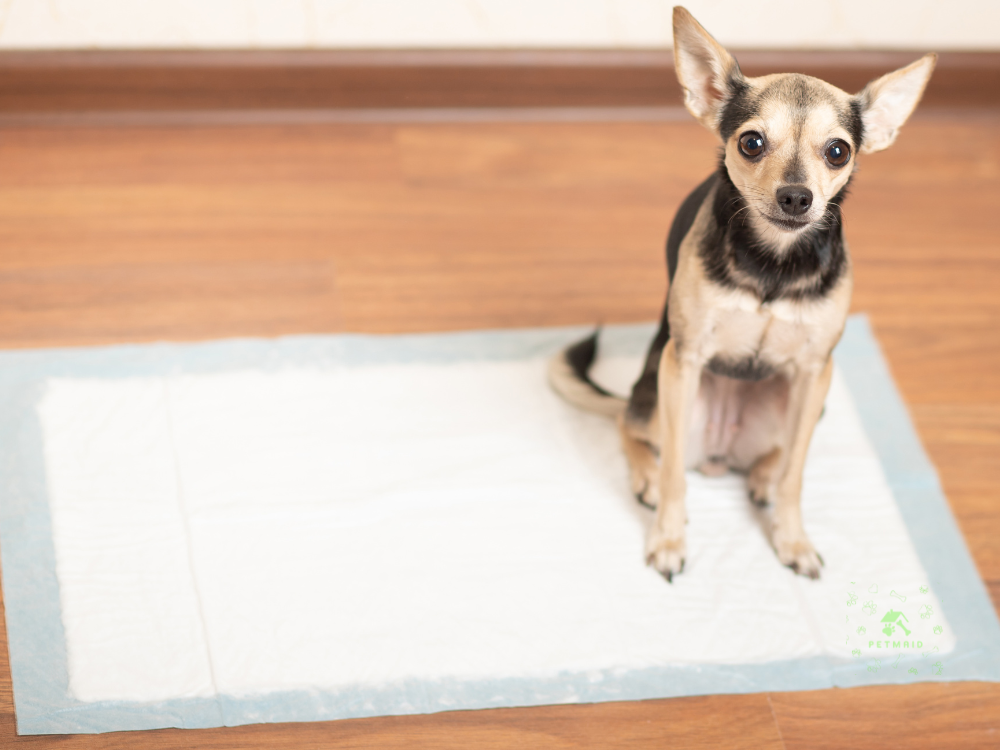
You just brought home your adorable new puppy. WIthin 30 minutes, there’s a puddle on your living room floor. You take them outside, they sniff around for 10 minutes doing nothing, you bring them back inside, and immediately they pee on the carpet again.
Sound familiar? You’re not alone. Puppy potty training is one of the most challenging – and most important – aspects of raising a puppy. The difference between success and frustration often comes down to one thing: having a consistent puppy potty training schedule that the whole family follows.
This comprehensive guide will help you understand how often puppies need to go, create a schedule that works for your household, recognize the signs your puppy needs out, and coordinate potty training across everyone in your family so acidents become rarae instead of routine.
Understanding Puppy Bladder Control By Age
Before creating a potty training schedule, you need to understand what your puppy is physically capable of at their current age.
The One-Hour-per-Month Rule:
A general guideline: Puppies can hold their bladder for approximately one hour per month of age, plus one.
Age-Based Bladder Control:
8 weeks old (2 months)
- Can hold it: 2-3 hours maximum during day
- Overnight: 3-4 hours maximum
- Reality: Accidents are normal and expected
- Needs to go out: Every 1-2 hours while awake
12 weeks old (3 months)
- Can hold it: 3-4 hours during day
- Overnight: 4-5 hours
- Progress: Fewer accidents, understanding routine
- Needs to go out: Every 2-3 hours while awake
16 weeks old (4 months):
- Can hold it: 4-5 hours during day
- Overnight: 5-6 hours
- Progress: Most can sleep through night with one break
- Needs to go out: Every 3-4 hours while awake
20 weeks old (5 months):
- Can hold it: 5-6 hours during day
- Overnight: 6-8 hours
- Progress: Sleeping through night consistently
- Needs to go out: Every 4-5 hours while awake
24+ weeks old (6+ months):
- Can hold it: 6-8 hours during day
- Overnight: 7-9 hours
- Progress: Should be mostly potty trained
- Needs to go out: Every 5-6 hours while awake
Important Notes:
- These are maximums, not recommendations
- Just because they CAN hold it doesn’t mean they should
- Individual puppies vary based on size, breed, and development
- Smaller breeds often need more frequent breaks
- Never punish accidents – they’re learning
Creating Your Puppy Potty Training Schedule
A consistent schedule is the foundation of successful potty training. Puppies thrive on predictability.
Sample Schedule for 8-12 Week Old Puppy
6:00 AM – Wake Up
- Immediately take puppy outside (carry if not reliable)
- Go directly to designated potty spot
- Wait 3-5 minutes for success
- Praise calmly when they go
- Come back inside
6:15 Am – Breakfast
- Feed measured portion
- Fresh water available
- Supervise eating
6:30 AM Potty Break
- Take outside again (digestion stimulates bladder)
- Same spot, same routine
- Expect poop 5-30 minutes after eating
7:00 AM Potty Break
- Quick trip outside
- Before you leave for work/school
7:15 AM Crate Time or Confined Area
- Safe space while unsupervised
- Not too long for young puppies
9:00 AM Potty Break
- Immediate trip outside after confinement
- Expect they need to go urgently
9:15 AM Play/Training Time
- Short supervised play
- Basic training (5-10 minutes)
10:00 AM Potty Break
- After activity
- Watch for signs they need to go
10:15 AM Nap Time
- Puppies sleep 18-20 hours daily
- Crate or confined safe area
12:00 PM Potty Break
- Immediately after waking
- Expect urgent need
12:15 PM Lunch
- Second meal of day
- Fresh water
12:30 PM Potty Break
- Post-meal bathroom trip
- Expect poop
1:00 PM Play/Training
- Short activity session
- Mental stimulation
2:00 PM Potty Break
- Before another nap
2:15 PM Nap Time
- Rest Period
4:00 PM Potty Break
- After nap
4:15 PM Play Time
- More active play as day goes on
5:00 PM Potty Break
- Before dinner prep
5:30 PM Dinner
- Third Meal (young puppies)
- Fresh water
5:45 PM Potty Break
- Post-dinner trip
- Expect poop
6:30 PM Play/Training
- Family time with puppy
- Supervised interaction
7:30 PM Potty Break
- After activity
8:00 PM Calm Time
- Quiet settling before bed
- No food or water 1-2 hours before bed (reduces nighttime needs)
8:30 PM Final Potty Break
- Last chance before overnight
- Take your time, be patient
9:00 PM Bedtime
- Into crate for overnight
- Expect 1-2 nighttime wake-ups at this age
12:00 AM Nighttime Potty Break
- Puppy whines/stirs
- Quick, boring trip outside
- No play, minimal interaction
- Straight back to crate
3:00 AM Nighttime Potty Break (if needed)
- Same boring routine
- Back to sleep immediately
6:00 AM Start Again
Adjusting Schedule as Puppy Grows
12-16 Weeks
- Reduce to 2 meals per day
- Extend time between potty breaks to 3 hours
- Usually eliminate one nighttime break
- More bladder control developing
16-20 Weeks
- Potty breaks every 3-4 hours
- Most sleep overnight
- Fewer accidents
- Understanding “hold it” concept
20-24 Weeks
- Potty breaks every 4-5 hours
- Reliable overnight
- Can signal when they need out
- Nearly fully trained
6+ Months
- Adult schedule (3-4 times daily)
- Full night sleep
- Can hold it during reasonable absences
- Accidents should be rare
Critical Potty Training Times (NEVER Skip These)
Certain times are non-negotiable for potty breaks, regardless of schedule.
1. Immediately after waking up
- Morning wake-up
- After any nap
- Bladder fills during sleep
2. Within 15-30 minutes after eating
- Digestion stimulates elimination
- Most reliable poop time
- Never skip post-meal break
3. After drinking water
- Especially after vigorous drinking
- Young puppies have small bladders
4. After play or exercise
- Activity stimulates bladder
- Excitement reduces control
5. After training sessions
- Mental stimulation can trigger need
- Especially if using treats
6. After confinement
- Coming out of crate
- First thing when someone gets home
- Urgent need after holding it
7. Before bedtime
- Final opportunity
- Reduces nighttime accidents
8. Any time puppy shows signs
- Sniffing around
- Circling
- Whining or barking
- Going to door
- Sudden restlessness
- Squatting position
Signs Your Puppy Needs to Go
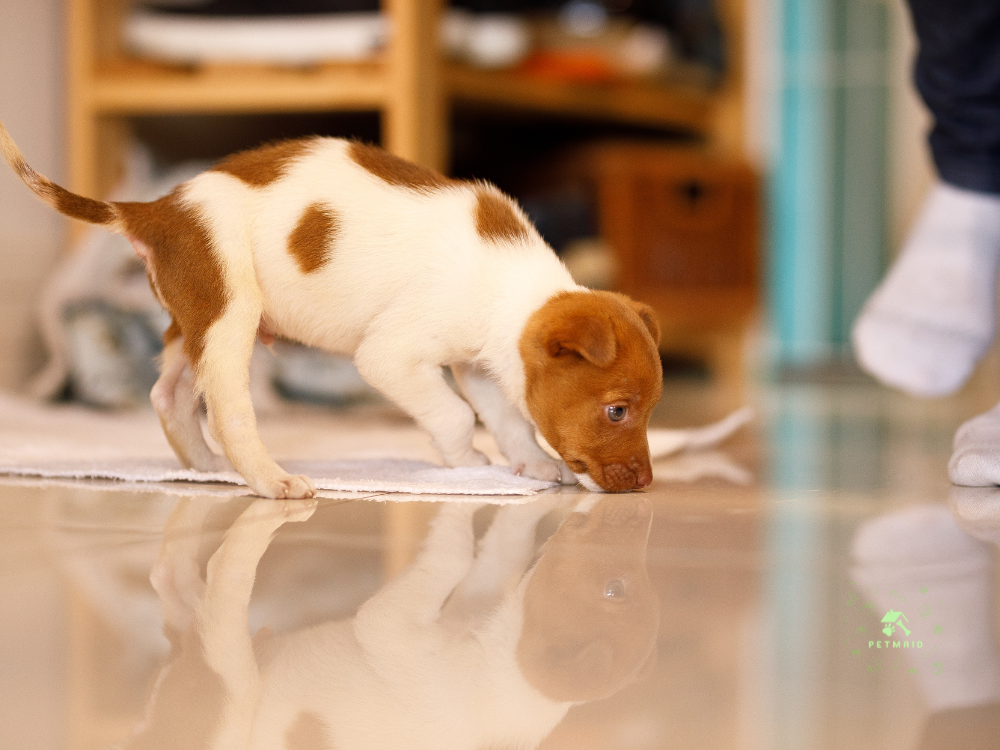
Learning to read your puppy’s signals prevents accidents.
Obvious Signs
- Sniffing floor in circles
- Walking to door (if trained to signal)
- Whining or barking at you
- Squatting or assuming position
- Sudden stop during play
Subtle Signs
- Restlessness or pacing
- Breaking from activity suddenly
- Sniffing more intently than normal
- Heading toward previous accident spots
- Change in breathing pattern
- Ears back, tail position change
Breed Specific Considerations
Small Breeds (Chihuahuas, Yorkies, Toy Poodles)
- Smaller bladders = more frequent breaks
- May need potty breaks every 1-2 hours even at 12+ weeks
- Can take longer to fully train (4-6 months)
- May need indoor potty option (pads or litter box)
Large Breeds (Labs, Golden Retrievers, German Shepherds)
- Larger bladders = can hold longer
- BUT: Young puppies still have limited control regardless of size
- May train faster (3-4 months)
- Growth spurts can temporarily affect training
Brachycephalic Breeds (Bulldogs, Pugs, Boston Terriers)
- May have urgency due to anatomy
- Less warning time between “need to go” and “going”
- Require more frequent scheduled breaks
Working/Herding Breeds (Border Collies, Australian Shepherds)
- Often easier to train due to intelligence
- May pick up signaling quickly
- But excitement can override control
Common Potty Training Mistakes
Mistake #1: Inconsistent Schedule
The Problem
- Monday: Potty Breaks every 2 hours
- Tuesday: Potty Breaks whenever someone remembers
Result
Puppy never learns predictable routine, accidents continue
The Fix
Create schedule and stick to it within 15-30 minutes. Consistency teaches puppy what to expect.
Mistake #2: Punishing Accidents
The Problem
Puppy pees inside, you yell or rub their nose in it. Puppy learns: “Peeing in front of humans is scary” not “Peeing inside is wrong.”
Result
Puppy hides to pee, making training harder.
The Fix:
Never punish accidents. Clean thoroughly with enzyme cleaner. Increase supervision and frequency of breaks.
Mistake #3: Not Going Outside WITH Puppy
The Problem:
You open door, puppy goes out, you assume they went potty. Puppy actually played for 5 minutes and didn’t go.
Result:
Puppy comes in and immediately pees.
The Fix:
Always accompany puppy outside. Watch them go. Praise immediately when they do.
Mistake #4: Rewarding Before They’re Finished
The Problem:
Puppy starts to pee, you get excited and say “Good puppy!” They stop mid-stream to look at you, finish inside.
The Fix:
Wait until they’re completely done, THEN praise calmly.
Mistake #5: Making Outside Time Fun
The Problem:
Every potty break turns into playtime. Puppy learns “outside = fun!” and holds it longer to prolong outdoor time.
Result:
Accidents because they held it too long.
The Fix:
Potty first, play second. Go out for boring potty break, come back in. THEN go out separately for play.
Mistake #6: Giving Too Much Freedom Too Soon
The Problem:
Puppy has accident-free morning, so you let them roam whole house unsupervised.
Result:
Accident in bedroom you don’t discover until it’s too late to correct.
The Fix:
Earn freedom gradually. Supervised time only until very reliable. (4-6 months)
Mistake #7: Inconsistent Family Responses
The Problem:
- Mom takes puppy out every hour
- Dad takes puppy out every 3 hours
- Kids let puppy out randomly
- Grandma uses potty pads inside
- Puppy is confused about expectations
Result:
Training takes much longer due to mixed messages.
The Fix:
Whole family follows same schedule and same approach. This requires coordination.
Family Coordination for Potty Training Success
This is where most families struggle with puppy potty training.
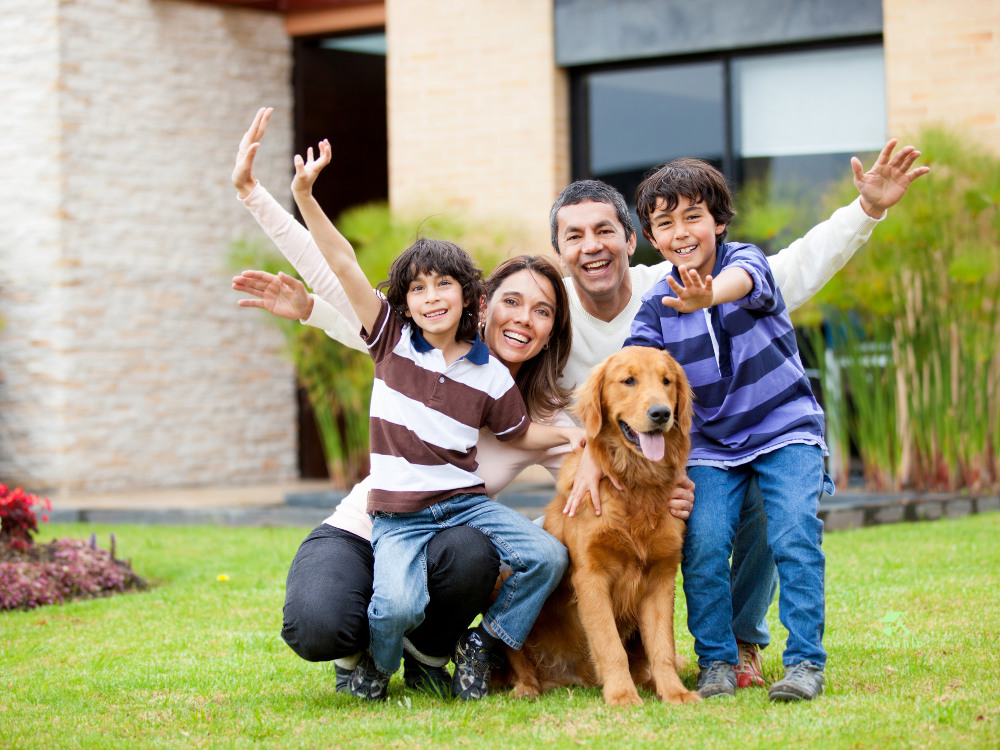
Coordination failures between family members
Common Coordination Problems
Problem 1: Who took the puppy out last?
- 8 AM: Mom takes puppy out
- 10 AM: Dad doesn’t know if anyone took puppy out since he left for work at 7 AM
- Result: Dad skips 10 AM break assuming someone did it
- Accident happens at 11 AM
Problem 2: Different family members = different schedules
- Mom’s schedule: Strict 2-hour intervals
- Dad’s schedule: “whenever I remember”
- Kids’ schedule: After school when they get home
- Puppy never develops rhythm
Problem 3: Who’s responsible for midnight potty break?
- Alarm goes off at 2 AM
- Both parents lie in bed hoping other will go
- Puppy whines longer
- Accident in crate happens
Problem 4: Inconsistent Approaches
- Mom uses positive reinforcement only
- Dad uses potty pads when he’s too tired
- Grandma lets puppy signal by scratching door
- Kids take puppy to different potty spots
- Puppy receives mixed training.
The Solution: Tracking and Communication
Successful puppy potty training requires everyone to know:
- What time was the last potty break?
- Did puppy actually go (pee and/or poop)?
- Who’s responsible for the next break?
- What time is that break scheduled?
- Were there any accidents?
Why Tracking Matters:
- Prevents “I thought you took them out”
- Shows patterns (when accidents happen most)
- Ensures scheduled breaks don’t get skipped
- Creates accountability
- Allows you to extend intervals as puppy matures
Traditional Tracking Methods Fall Short:
- Paper charts get lost or forgotten
- Only one person sees them
- Can’t track in real-time from different locations
- No reminders for whose turn it is
Many Families Training Puppies Use Coordination Apps Like PetMaid:
- Set potty break reminders for exact times
- Everyone sees when last break happened
- Mark whether puppy peed, pooped, or both
- Note any accidents to identify patterns
- Assign responsibility for each break
- All family members stay coordinated
When everyone knows the schedule and can see what’s been done, consistency becomes automatic instead of exhausting.
Nighttime Potty Strategy
Nighttime is often the hardest part of puppy potty training for families.
Realistic Expectations by Age:
8-10 Weeks
- Expect to wake up 2-3 times per night
- Take out every 2-3 hours
- This is temporary but exhausting
10-12 Weeks
- Usually 1-2 wake-ups per night
- Every 3-4 hours
- Starting to sleep longer stretches
12-16 Weeks
- Often one wake-up around 3-4 AM
- Some puppies sleep through by 14-16 weeks
- Individual variation
16+ Weeks
- Most can sleep 7-8 hours
- Should sleep through the night consistently
- Accidents indicate problem (medical or training)
Nighttime Protocol
Before Bed
- No food 2-3 hours before bedtime
- Small amount of water available until 1 hour before bed
- Final potty break right before crate
- Take your time – wait for poop
During Night
- Keep it boring (this is critical)
- No lights, no talking, no playing
- Cary or leash directly to potty spot
- Wait 3-5 minutes
- Immediately back to crate after success
- Goal: Puppy learns night = sleep time, not fun time
How to Know When to Extend Nighttime Intervals
- Puppy sleeping peacefully (not waking to whine)
- Dry crate for several nights in a row
- Able to hold it during the extended time during day
- Gradually extend by 30 minutes per week
Coordinating Nighttime Breaks With Family
Who Does it Matters
- Assign specific nights to specific people
- Or assign first/second wake up to different people
- Clear schedule prevents 2 AM confusion
- Backup person if primary oversleeps alarm
Tracking Nighttime Breaks
Even more important at night when memory is fuzzy. Did someone take puppy out at 2 AM? Did they actually go? This information helps adjust schedule.
Troubleshooting Common Potty Training Problems
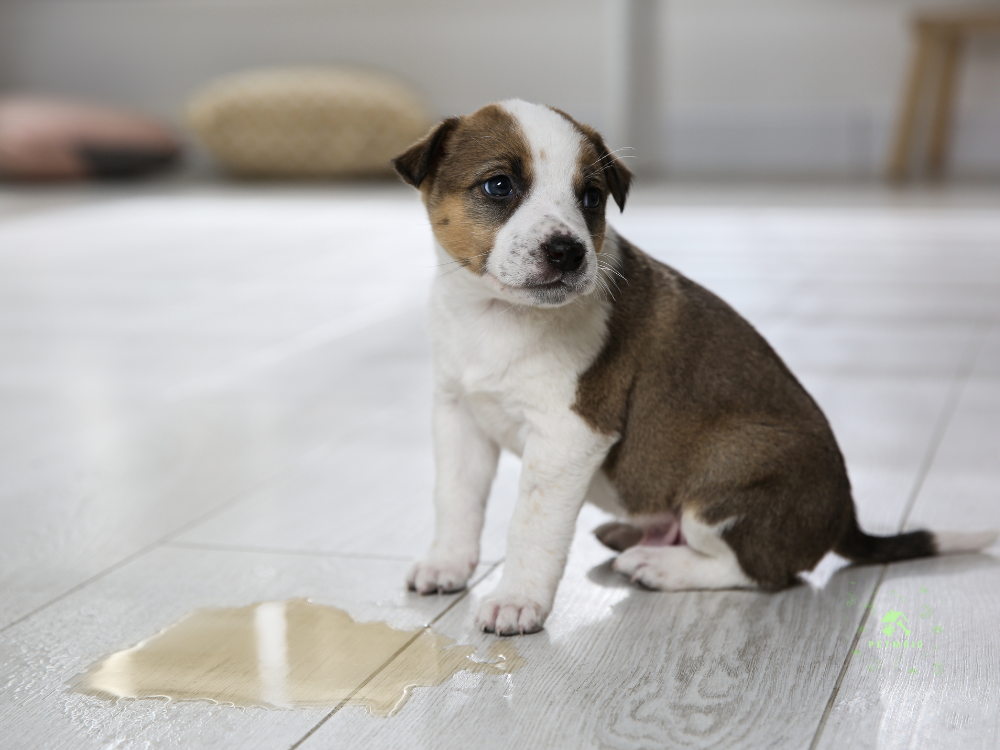
Problem: Frequent accidents Despite Consistent Schedule
Possible Causes:
- Medical issues (UTI, parasites, digestive problem)
- Schedule intervals too long for this puppy
- Not actually going during potty breaks
- Too much freedom too soon
- Previous accidents not cleaned properly (smell draws them back)
Solutions:
- Vet check to rule out medical
- Shorten time between breaks
- Supervise more closely outside
- Restrict freedom, increase confinement
- Use enzyme cleaner on all accident spots
Problem: Puppy Goes Outside Then Immediately Comes In and Pees
Causes:
- Outside is too distracting
- Learned that going = end of outdoor time
- Didn’t fully empty bladder outside
- Excited to come back inside (excitement pee)
Solutions:
- Stay outside longer (10 minutes minimum)
- Boring potty area (minimize distractions)
- Potty first, play second as separate trips
- Wait for complete elimination before coming in
- Keep arrivals calm
Problem: Signals Work for Some Family Members, Not Others
Cause:
Inconsistent responses. Puppy learned: “This person responds to signals, this person doesn’t.”
Solution:
Everyone must respond same way to same signals. Family coordination on approach.
Problem: Regression After Weeks of Success
Causes:
- Schedule change (someone went on vacation, returned to work)
- New stressor (moving, new pet, construction)
- Medical issue developing
- Hit adolescence (6-18 months, can regress)
- Training got inconsistent/lazy
Solutions:
- Return to more frequent breaks temporarily
- Reestablish consistency
- Rule out medical problems
- Be patient through adolescent phase
- Tighten up supervision
Problem: Goes in Crate Overnight
This is serious – crate soiling damages training.
Causes:
- Too long between nighttime breaks
- Crate too large (can potty in one corner, sleep in another)
- Medical issue
- Previously forced to soil crate (shelter background, puppy mill)
Solutions:
- More frequent nighttime breaks
- Smaller crate or divider
- Vet check immediately
- May need to restart crate training completely
- Clean crate thoroughly with enzyme cleaner
Success Milestones and Timeline
Week 1-2:
- Accidents everywhere (totally normal)
- Learning where potty spot is
- Barely any bladder control
- Family learning puppy’s signals
- Establishing schedule
Week 3-4:
- Fewer accidents
- Starting to understand outside = potty
- Can hold it slightly longer
- Some signal development
- Schedule routine esstablished
Week 5-8:
- Noticeable improvement
- Longer dry periods
- Clear signal emerging
- Sleeping longer at night
- Family coordination smoother
Week 9-12:
- Mostly reliable with supervision
- Sleeping through night (or one break)
- Accidents when supervision lapses
- Understands expectations clearly
Week 13-16 (3-4 Months):
- Very reliable when supervised
- Can hold it 4-5 hours
- Signals consistently
- Still needs scheduled breaks
- Accidents when given too much freedom
Week 17-24 (4-6 Months):
- Should be mostly potty trained
- Rare accidents (usually human error)
- Can hold reasonable time
- Signals reliably
- Earning more house freedom
6+ Months:
- Fully trained (or close)
- Adult schedule (3-4 times daily)
- Trustworthy in house
- Accidents indicate problem
Important Note: This is average.Your puppy may be faster or slower. Small breeds often take longer (4-6 months). Larger breeds may train faster (3-4 months).
When to Seek Professional Help
Contract trainer if:
- Puppy is 6+ months and still having frequent accidents
- Aggressive behavior during potty training
- Severe anxiety about going outside
- Complete regression after being trained
- Family conflict about approach is severe
Contact vet if:
- Blood in urine or stool
- Straining to urinate or defecate
- Accidents accompanied by other symptoms
- Sudden onset of accidents after being trained
- Excessive drinking and urinating
- Pain during elimination
Final Thoughts: Consistency is Everything

Puppy potty training tests your patience.You’ll be tired. You’ll clean up more messes than you thought possible.You’ll wake up at 2 AM more times than you’d like. And you’ll wonder if your puppy will EVER be trained.
They will.
Every successfully potty-trained dog started exactly where your puppy is now. The difference between puppies who train quickly and those who don’t isn’t intelligence- it’s consistency.
Consistent schedule. Consistent responses. Consistent family coordination.
That last one is where most families struggle. When Mom takes puppy out every two hours but Dad takes puppy out “whenever,” or when nobody knows who handled the last potty break, training takes much longer.
The families who succeed fastest don’t love their puppies more than you do. They have systems that make consistency automatic.
Whether that’s a detailed schedule on the fridge, alarms on every family member’s phone, or an app that coordinates everyone’s efforts – the tool matters less than having one.
Your puppy is counting on you to be consistent. They want to be potty trained. They want to make you happy. They just need you to show them the way – the same way, every time, from everyone in the family.
You’ve got this. And soon, those 2 AM potty breaks will be a distant memory.
Managing a puppy potty training schedule is exponentially easier when your whole family stays coordinated. Download PetMaid to set reminders for potty breaks, track when your puppy last went out, and ensure everyone in your household follows the same schedule. No more “Did you take them out?” questions – everyone can see exactly what’s been done and what’s needed next. Consistency is key to fast potty training, and PetMaid keeps your family consistent every single day.
For more puppy training and care tips, check out our guides on Puppy Whining in Crate, New Pet Parent Mistakes, Dog Walking Schedules, and Multi-Pet Household Management.
What’s your biggest puppy potty training challenge? Share in the comments!

