Flea Prevention and What to Do If Your Pet Gets Them
You notice your dog scratching more than usual. At first, you think it’s normal. Then you see it – a tiny dark speck jumping off your pet’s fur. Your stomach drops. Fleas.
Suddenly you’re dealing with not just one problem, but multiple: your pet is uncomfortable, your home might be infested, you’re panicked about what to do, and you’re wondering how this happened in the first place. Flea prevention seems like it should be simple, but somehow it still happens to responsible pet owners who thought they were doing everything right.
The truth is, flea prevention isn’t complicated – but it does require consistency. And consistency is where most pet parents struggle, especially when managing preventative treatments across multiple family members or multiple pets.
This comprehensive guide will help you understand fleas, prevent infestations before they start, and know exactly what to do if your pet gets them despite your best efforts.
Understanding Fleas: Why They’re Such a Problem

Before we talk about prevention, let’s understand what we’re up against.
What are fleas?
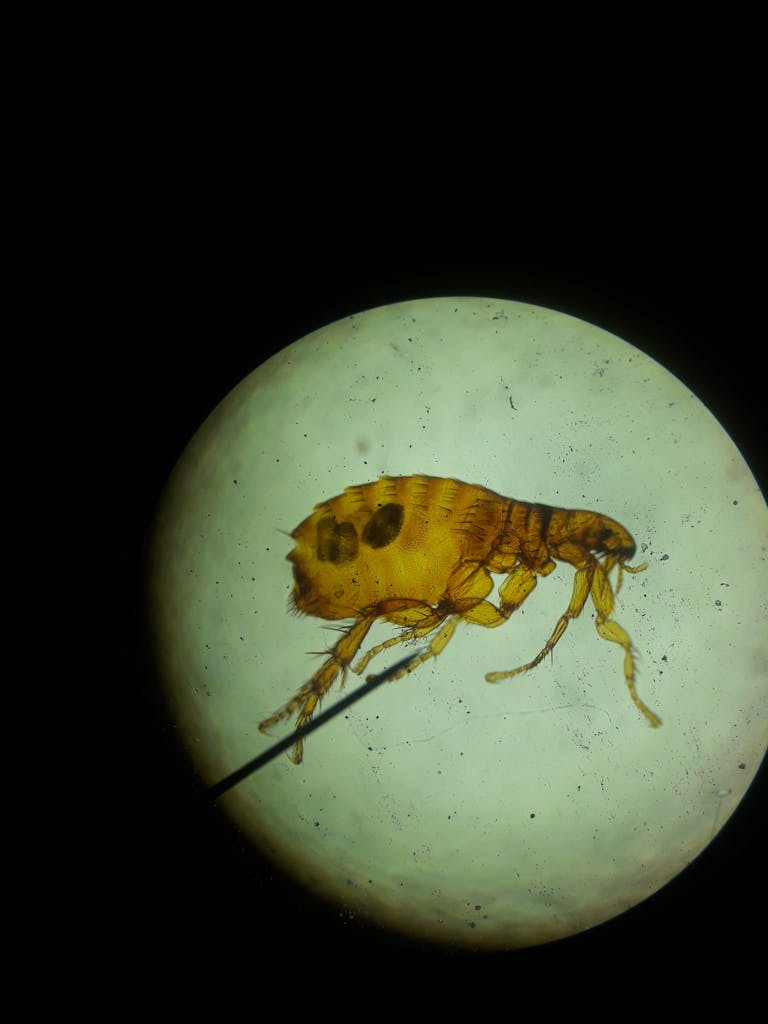
Fleas are small parasites (about the size of a grain of rice) that feed on your pet’s blood. They’re incredibly common, incredibly resilient, and incredibly good at reproducing. A single flea can lay hundreds of eggs, which is why an infestation can explode from one or two fleas to thousands in just a few weeks.
Flea Life Cycle:
Adult Flea:
- Lives on you pet’s body
- Feeds on blood multiple times daily
- Can live 2-4 weeks on a host
- Can jump 8 inches vertically (to find new hosts)
Eggs:
- Female flea lays 20-40 eggs per day
- Eggs fall off pet into environment
- Hatch within 2-5 days
Larvae:
- Develop in carpet, bedding, soil
- Feed on organic debris
- Hide in dark, moist places
- Last 5-20 days depending on conditions
Pupae (cocoon stage):
- Can last months in protected environment
- Only emerge when stimulated by vibrations or warmth
- This is why infestations can reappear suddenly
Adult Flea Emerges:
- Cycle starts again
- Total cycle: 2 weeks to several months depending on conditions
Why this matters for prevention:
If you miss even one dose of flea prevention, fleas can enter this cycle and establish an infestation that takes months to eliminate. Prevention is always easier (and cheaper) than treatment.
Where do fleas come from?
Outdoor Exposure:
- Wildlife (raccoons, opossums, feral cats, birds)
- Grass and brush where animals travel
- Any outdoor environment where pets roam
From Other Animals:
- Contact with infested animals
- Other pets in your household
- Visiting friends’ or family members’ homes with pets
In Your Environment:
- Brought inside on clothing or shoes
- In bedding or furniture
- Larvae developing in carpet or soil
- Persistent fleas from previous infestation
Why outdoor pets aren’t the only ones at risk:
Even strictly indoor pets can get fleas if you bring flea eggs in on your clothes, if another pet in the household gets fleas, or if a visiting pet brings them. Prevention is important for ALL pets.
Health Problems Fleas Cause
Fleas aren’t just annoying – they can cause serious health problems.
Immediate problems:
Itching and Discomfort:
- Constant scratching damages skin
- Creates open wounds for infection
- Loss of fur from excessive scratching
- Behavioral changes from irritation and pain
Flea Allergy Dermatitis:
- Some pets are allergic to flea saliva
- Even one flea bite causes severe itching
- Scratching leads to skin infections
- Requires veterinary treatment
- Can last weeks even after fleas are gone
Secondary Skin Infections:
- Scratching creates entry points for bacteria
- Fungal infections develop in moist wounds
- Can require antibiotics or antifungals
- Extends recovery time and cost
Long-Term Health Consequences:
Anemia:
- Fleas feed on blood
- Heavy infestation causes blood loss
- Particularly dangerous for puppies, kittens, senior pets
- Can require blood transfusions in severe cases
Disease Transmission:
- Fleas can transmit tapeworms (intestinal parasites)
- Can carry bacteria that causes infection
- May transmit other diseases (though rare in US)
Stress and Behavioral Problems:
- Constant discomfort affects behavior
- Some pets become aggressive from pain
- Anxiety develops from chronic itching
- Quality of life diminishes
Flea Prevention: Your First Line of Defense
Prevention is always better than treatment. Here’s how to keep fleas off your pet in the first place.
Prevention Method #1: Topical Flea Prevention

What it is:
Liquid medication applied directly to the skin, usually at the base of the neck where the pet can’t lick it off.
How it works:
- Spread across skin and hair
- Kills adult fleas on contact
- Some prevent flea eggs and larvae from developing
- Protection lasts 30 days (most common) or up to 3 months
Common Topical Options:
- Revolution/Revolution Plus
- Advantage/Advantage II
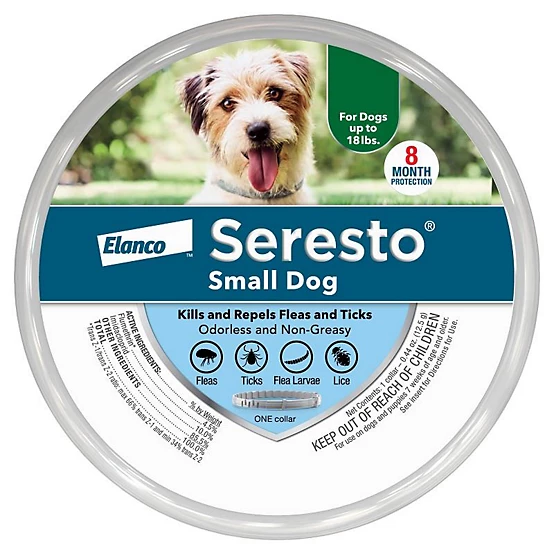
- Seresto (collar form)
- Comfortis (prescription pill)
- K9 Advantix (dogs only, toxic to cats)
- Bravecto (prescription, longer-lasting)
Applications:
- Given monthly (or as directed)
- Part the fur at the base of neck
- Apply liquid directly to skin
- Keep pet from licking for a few minutes
- Wash hands after application
Pros:
- Effective for most pets
- Easy monthly application
- Many available options
- Prescription and non-prescription options
- Works for multiple pest types (fleas, ticks, mites)
Cons:
- Must be given on schedule
- Easy to forget or miss doses
- Requires remembering which pet got which product
- Potential side effects in some pets
- Costs add up over time
Prevention Method #2: Oral Flea Prevention
What it is:
Pill or chewable tablet that prevents or kills fleas through the bloodstream.
How it works:
- Pet ingests medication
- Enters bloodstream
- Kills fleas when they bite
- Some prevent eggs and larvae from developing
- Protection lasts 30 days (most common) to 3 months
Common Oral Options:
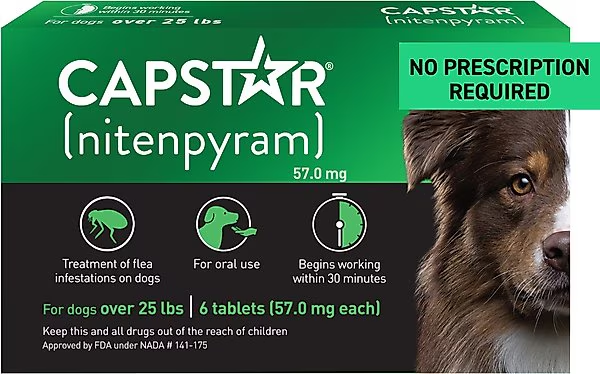
- Capstar (quick-acting, kills adults only)
- Comfortis/Spinosad (prescription)
- Credelio/Credelio Plus (prescription, long-acting)
- Simparica/Simparica Trio (prescription)
- NexGard (non-prescription in some areas)
Administration:
- Given as directed by vet
- Often given with food
- Can be hidden in treats or food
- Easier for some pets than topical
Pros:
- No risk of washing off
- Can’t be licked off like topical
- Works well for pets that swim
- Some last longer than monthly
- Good option for pets sensitive to topical
Cons
- Even easier to forget (just a pill)
- Requires remembering to give it
- Prescription options more expensive
- Must be given on exact schedule
- Some pets harder to pill than others
Cost:
- Non-prescription: $15-25 per month
- Prescription: $30-50+ per month
- Extended options: $100-150+ per dose
Prevention Method #3: Flea Collars
What it is:
Collar worn continuously that repels or kills fleas.
How it works:
- Creates zone of protection around head/neck
- Some emit gas that repels fleas
- Others slowly release active ingredient
- Protection last 8 months (Seresto) or variable
Options:
- Seresto (8-month protection, non-prescription)
- Ultrasonic collars (effectiveness debated)
- Essential oil collars (limited effectiveness)
Pros:
- No monthly remembering (8-month option)
- Doesn’t require handling/pilling pet
- Relatively affordable for long duration
- Safe for most pets
Cons:
- Some pets dislike wearing collars
- Not all brands equally effective
- Essential oil/ultrasonic collars often ineffective
- May not protect entire body
- Seresto expensive upfront but cost-effective over time
Cost:
- Seresto: $20-30 for 8 months of protection
- Other collars: $5-20 (but often ineffective)
Prevention Method #4: Environmental Control
What it is:
Regular cleaning and treatment of your home and yard to prevent flea development.
How it works:
- Removes flea eggs and larvae from environment
- Breaks flea life cycle
- Prevents reinfestation
- Works alongside pet treatments
What to do:
Inside Your Home:
- Vacuum carpets and furniture weekly
- Wash pet bedding in hot water weekly
- Bathe pet regularly (at least monthly)
- Declutter to reduce flea hiding spots
- Consider environmental spray if infestation present
Outside Your Home:
- Mow grass regularly
- Remove brush and debris
- Treat yard if outdoor pet has fleas
- Remove wildlife attractants (food sources)
- Keep pet from high-risk areas during peak flea season
Pros:
- Non-chemical option
- Reduces flea population naturally
- Improves overall cleanliness
- No side effects
- Cost-effective
Cons:
- Time-intesive
- Not enough alone (must pair with pet treatment)
- Doesn’t prevent new fleas from jumping on pet
- Requires consistency
- Ineffective against established infestation
Cost:
- Free to minimal (just your time and effort)
- Optional sprays: $10-50
Creating a Flea Prevention Schedule

The most common reason flea prevention fails: inconsistent application.
People forget to give monthly prevention. Doses get skipped. Months go by without realizing the last dose was 6 weeks ago. Suddenly fleas have an opportunity to establish.
Creating a Schedule that Actually Works:
Step 1: Know Your Pet’s Prevention Schedule
Determine:
- What flea prevention you’re using
- When it should be given (exact dates matter)
- How often it needs to be reapplied
- Which family member gives it
Examples:
Monthly topical (applied first of each month):
January 1, February 1, March 1, etc.
Monthly oral (given on 15th of each month):
January 15, February 15, March 15, etc.
3-month prevention:
January 1, April 1, July 1, October 1
Seresto Collar (8 months from application):
Applied January 1, good until September 1
Why Exact Dates Matter:
If prevention is applied “sometime in January,” it might be January 20. Then “sometime in February” might be February 25. By March you’re already 35+ days from the last dose, and fleas can establish. Exact dates ensure proper spacing.
Step 2: Set Up Reminders
Multi-layer reminder system
Calendar reminders:
- Add to family calendar (visible to all)
- Set reminder 1 week before dose is due
- Set reminder 1 day before dose is due
Phone reminders:
- Set phone alarm/notification for exact date
- Include pet name and prevention type
- Reminder goes to person who typically administers it
App reminders:
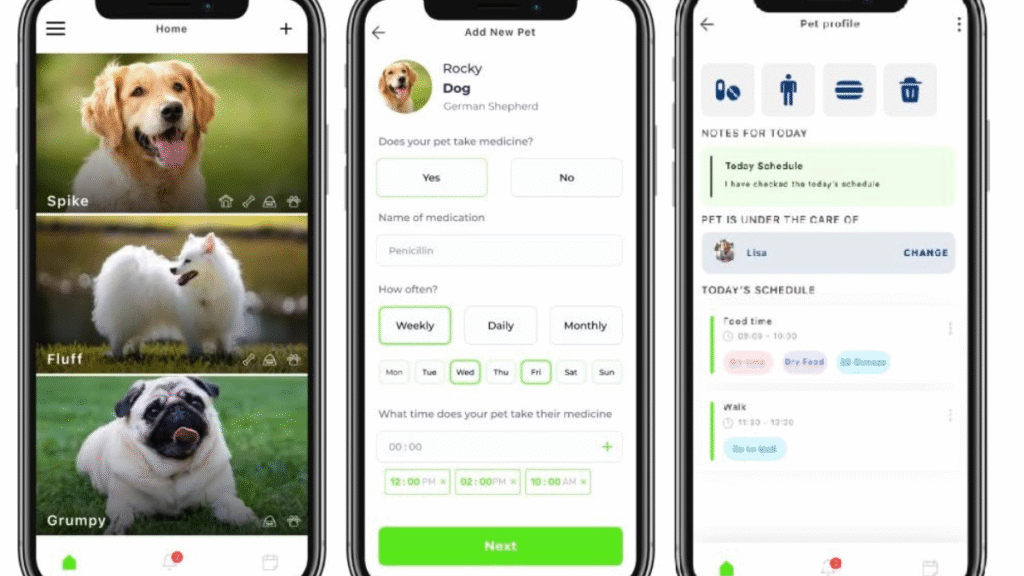
- Many pet owners are using apps like PetMaid to set reminders.
- Track when flea prevention is given
- All family members see that task was completed
- Never miss a dose because everyone knows the schedule
Physical reminders:
- Mark on calendar on wall
- Sticky note on bathroom mirror
- Phone reminder from vet clinic
Why multiple reminders work:
- Single system always fails at some point
- Layered reminders catch what one misses
- Different family members see different reminders
- Increases likelihood of remembering
Step 3: Assign Responsibility
Who gives the flea prevention?
Option 1: Same person as always
- Clear accountability
- That person knows it’s their job
- But if they travel or get sick, it gets missed
Option 2: Rotating responsibility
- Shares the work
- But confusion about whose turn it is
- Easy to assume someone else did it
Option 3: Whoever is home when dose is due
- Flexible
- But no clear accountability
- Likely to get missed
Best Practice:
- Assign primary person
- Assign backup person if primary unavailable
- Both get reminders
- Clear communication about who’s responsible
Step 4: Track Completion
Mark it down immediately when given:
Why tracking matters:
- Prevents accidental double-dosing
- Creates record for vet if needed
- Helps track if you’re staying on schedule
- Allows early detection if dose is missed
How to track:
- Write in calendar/planner
- Note in phone
- Use app like PetMaid
- Check off on printed schedule
What To Do If Your Pet Gets Fleas Despite Prevention

Even with perfect prevention, sometimes fleas happen. Maybe the prevention failed. Maybe you missed a dose. Maybe your pet had an adverse reaction and you had to stop treatment. Whatever the reason, here’s what to do.
Step 1: Confirm It’s Actually Fleas
Look for signs:
Visual evidence:
- See actual fleas jumping in fur
- See “flea dirt” (dark specks that look like dirt but are actually flea feces)
- Flea dirt turns red when wet (it’s digested blood)
Behavioral signs:
- Excessive scratching, especially around rear and neck
- Hair loss from scratching
- Red, irritated skin
- Scabs from scratching
- Restlessness and agitation
Flea dirt test:
- Wet a paper towel
- Rub suspected flea dirt on it
- If it turns red/brown, it’s flea dirt (blood)
- Confirms flea infestation
When to call vet:
If you see any signs of fleas, call your vet immediately. Don’t wait to see if it gets worse.
Step 2: Call Your Veterinarian
Don’t use over-the-counter treatments without vet guidance:
Why you need a vet:
- They’ll confirm it’s actually fleas
- They’ll recommend appropriate treatment for your pet’s age/health
- Some OTC treatments are ineffective or dangerous
- Vet can check for flea-related health problems
- Vet can prescribe prescription-strength options
What to tell your vet:
- When you first noticed signs
- What flea prevention your pet is currently on (if any)
- Any other symptoms (scratching severity, skin condition, behavior changes)
- Any other pets in household
- Indoor, outdoor, or both
Treatment options vet might recommend:
Immediate flea treatment:
- Capstar (kills adult fleas quickly)
- Or prescription flea treatment
- Works within hours to start killing fleas
Ongoing prevention after initial treatment:
- Switch to different prevention if current one didn’t work
- May recommend prescription-only options
- Will establish proper dosing schedule
Additional treatments:
- Treatments for skin infections if scratching caused wounds
- Treatment for tapeworms (fleas can transmit them)
- Pain medication if pet is severely uncomfortable
- Anti-itch medication for relief
Step 3: Treat Your Home
If fleas are on your pet, they’re in your home:
Vacuum:
- Vacuum all carpets thoroughly
- Vacuum under furniture
- Vacuum pet bedding areas
- Dispose of vacuum bag/contents outside
- Repeat 2-3 times per week for 2-3 weeks
Wash bedding:
- Wash all bedding in hot water weekly
- Wash your bedding if your pet sleeps there
- Wash any blankets your pet uses
- Continue for several weeks
Home Treatment Spray (if infestation severe):
- Vet may recommend environmental spray
- Kills flea eggs and larvae
- Follow directions carefully
- May need to retreat after 1-2 weeks
Why this matters:
- Adult fleas on pet are only part of the problem
- Eggs and larvae in environment will continue cycle
- Without treating home, reinfestation likely
- Environmental treatment breaks the cycle
Step 4: Monitor and Follow Up
After starting treatment:
Daily monitoring:
- Check pet’s skin condition
- Look for continued scratching
- Note any improvement or worsening
- Watch for signs of infection
Follow-up vet visit:
- Schedule if vet recommends
- Usually 1-2 weeks after initial treatment
- Check for reinfestation
- Ensure skin is healing
- Adjust treatment if needed
Ongoing prevention:
- Resume regular flea prevention immediately
- Don’t miss any doses
- Consider switching brands if previous failed
- May need to treat more frequently during peak season
Timeline to expect:
- Fleas on pet: Killed within 12-48 hours
- Itching from bites: Can last 1-2 weeks
- Skin to heal: 2-4 weeks depending on severity
- Environment clear of fleas: 4-6 weeks with proper treatment
- Full recovery: 1-3 months
Peak Flea Season and Year-Round Prevention
When are fleas worst?
Peak flea season:
Summer and fall (June – November in most areas)
- Warm temperatures ideal for flea reproduction
- Outdoor exposure increases
- Fleas reproduce faster in heat
Off-Season
Winter
- Cold slows reproduction
- Fewer outdoor fleas
- Doesn’t mean stop prevention (indoor heating keeps fleas active)
Year-round Prevention Recommended:
- Fleas can survive indoors year-round
- Even one missed dose risks infestation
- Consistency more important than season
Regional Differences:
- Warm climates: Year-round prevention essential
- Cold climates: At least March-December
- Ask your vet about your specific region
Prevention Tips and Best Practices
To maximize flea prevention success:
Give prevention on exact schedule:
- Same date every month (or as directed)
- Set multiple reminders
- Mark it down immediately
- Create routine around giving it (like after Saturday breakfast)
Use prescription-strength options:
- Often more effective than non-prescription
- Vet can recommend best option for your pet
- Prescription brands have better safety records
Don’t skip doses:
- Even one missed dose risks infestation
- One flea can start infestation cycle
- Consistency is critical
Treat all pets in household
- All pets need flea prevention
- One pet with fleas infests others
- Even indoor-only pets if another pet has fleas
Maintain environment cleanliness:
- Vacuum regularly
- Wash pet bedding frequently
- Reduces flea population if any get through
Avoid flea-prone areas during peak season:
- Limit exposure to high-risk areas
- Wildlife areas, tall grass, wooded areas
- Especially during peak flea season
The Role of Consistency and Tracking
Here’s the honest truth: Most pets get fleas not because their owners don’t care about prevention, but because people forget to give prevention on schedule.
Life gets busy. Months blur together. You think “I gave it last month” but actually it was 6 weeks ago. Or your spouse thinks you gave it, but you thought they did. Or you remember you need to buy it but forget to actually apply it.
This is where systems make all the difference.
The families who never deal with flea infestations aren’t necessarily more careful or more responsible than you. They have better systems for remembering.
Whether that’s:
- Calendar reminders on their phone
- Marking it in a paper calendar
- Family group chat reminders
- Or using an app like PetMaid to track flea prevention and remind all family members when it’s due.
The key is having a system visible to all household members who might need to give the prevention.
PetMaid makes flea prevention tracking simple:
- Add flea prevention task to pet’s profile
- Set reminder for exact date
- All family members get reminder
- Mark it complete when given
- Can’t forget because everyone sees it
With proper tracking, you go from hoping you remember to knowing for certain that the prevention is being given on schedule.
Real Numbers: Prevention vs. Treatment Costs
Why prevention is always worth the investment:
Monthly prevention cost:
- Topical: $15-40 per month = $180-480 annually
- Oral: $20-50 per month = $240-600 annually
- Collar: $20-30 per month = $30-45 annually
Cost of treating flea infestation:
- Vet visit for diagnosis: $50-150
- Flea treatment medications: $50-100
- Home treatment products: $30-100
- Follow-up vet visit: $50-150
- Possible skin infection treatment: $100-300
- Possible tapeworm treatment: $50-150
- Total for infestation: $330-950+
Plus
- Time dealing with infestation
- Stress and worry
- Your pet’s discomfort
- Potential for reinfestation if not treated properly
The math is clear: Spending $200-600 annually on prevention is far cheaper than spending $500+ treating an infestation.
Final Thoughts: Prevention is Always the Answer

Flea prevention isn’t complicated. It’s just a matter of consistency. Give the right medication on the right schedule, every single time, without exception.
That sounds simple, but it requires:
- Knowing your pet’s specific prevention schedule
- Setting up reminders
- Assigning responsibility
- Tracking what’s been done
- Communication among family members
For many families, this is where things fall apart – not from lack of caring, but from coordination failure.
The good news is, with proper systems, flea prevention becomes automatic. You set up reminders, assign responsibility, track completion, and fleas become a problem that literally never happens.
Your pet deserves protection from parasites. You deserve peace of mind knowing your pet is safe. And your pet deserves not to suffer through the discomfort and health risks of a flea infestation.
Make prevention a priority. Set up your system. And never deal with fleas again.
Ready to stop forgetting your pet’s flea prevention? Download PetMaid today and set up reminders that reach all family members. Add your pet’s flea prevention to their profile, set the reminder for the exact date it’s due, and everyone gets notified. Mark it complete when you give it, and your pet stays protected all year long. Stop juggling schedules and start using a system designed to keep your pet healthy.
Looking for more pet health and care tips? Check out our guides on Pet Medication Schedules, Dog Walking Coordination, Multi Pet Household Organization, and New Pet Checklists.
What’s your biggest challenge with remembering flea prevention? Share in the comments!